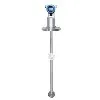
As a supplier of Vortex Flowmeters, ensuring the safety of these devices during operation is not only a technical necessity but also a commitment to our customers. Vortex flowmeters are widely used in various industries to measure the flow rate of liquids, gases, and steam. Their accurate and reliable performance is crucial for the smooth operation of industrial processes. In this blog, I will share some key strategies and practices to ensure the safe operation of Vortex Flowmeters.
1. Proper Installation
The first step in ensuring the safety of a Vortex Flowmeter is proper installation. Incorrect installation can lead to inaccurate measurements, premature wear, and even safety hazards. Here are some important installation considerations:
- Location Selection: Choose a location that is free from excessive vibration, temperature fluctuations, and electromagnetic interference. The flowmeter should be installed in a straight section of the pipeline, with sufficient upstream and downstream straight pipe lengths to ensure a stable flow profile. According to industry standards, the upstream straight pipe length should be at least 15 - 20 times the pipe diameter, and the downstream straight pipe length should be at least 5 - 10 times the pipe diameter.
- Orientation: Install the flowmeter in the correct orientation. For liquid applications, the flowmeter should be installed in a horizontal or vertical pipeline with the flow direction from bottom to top to prevent gas accumulation. For gas applications, the flowmeter can be installed in a horizontal or vertical pipeline, but it is important to ensure that the sensor is not exposed to liquid condensate.
- Mounting: Use the appropriate mounting hardware and follow the manufacturer's installation instructions carefully. Ensure that the flowmeter is securely mounted to the pipeline to prevent any movement or vibration during operation.
2. Regular Maintenance
Regular maintenance is essential to keep the Vortex Flowmeter in good working condition and to ensure its safety. Here are some maintenance tasks that should be performed regularly:
- Cleaning: Over time, dirt, debris, and scale can accumulate on the sensor and inside the flowmeter, which can affect its performance. Clean the flowmeter regularly using a mild detergent and a soft brush. Avoid using abrasive materials or harsh chemicals that can damage the sensor.
- Inspection: Inspect the flowmeter for any signs of damage, such as cracks, leaks, or loose connections. Check the wiring and cables for any signs of wear or corrosion. If any damage is found, replace the damaged parts immediately.
- Calibration: Calibrate the flowmeter regularly to ensure its accuracy. The calibration interval depends on the application and the manufacturer's recommendations. Generally, it is recommended to calibrate the flowmeter at least once a year or more frequently if the process conditions change significantly.
3. Monitoring and Alarm Systems
Installing monitoring and alarm systems can help detect any potential problems with the Vortex Flowmeter before they become serious safety hazards. Here are some monitoring and alarm systems that can be used:
- Flow Rate Monitoring: Continuously monitor the flow rate measured by the flowmeter. Any significant deviation from the normal flow rate can indicate a problem with the flowmeter or the process. Set up alarms to alert operators when the flow rate exceeds a certain threshold.
- Temperature and Pressure Monitoring: Monitor the temperature and pressure of the fluid flowing through the flowmeter. Excessive temperature or pressure can damage the flowmeter and affect its performance. Set up alarms to alert operators when the temperature or pressure exceeds the maximum allowable limits.
- Diagnostic Tools: Use diagnostic tools provided by the flowmeter manufacturer to monitor the health of the flowmeter. These tools can detect any internal faults or malfunctions and provide early warnings to operators.
4. Training and Education
Proper training and education of operators and maintenance personnel are crucial for ensuring the safe operation of the Vortex Flowmeter. Here are some training and education programs that can be provided:
- Installation and Commissioning Training: Provide training to operators and maintenance personnel on the proper installation and commissioning of the Vortex Flowmeter. This training should cover the installation procedures, wiring connections, calibration methods, and safety precautions.
- Operation and Maintenance Training: Provide training on the operation and maintenance of the Vortex Flowmeter. This training should cover the normal operating procedures, troubleshooting techniques, and maintenance tasks.
- Safety Training: Provide safety training to operators and maintenance personnel on the potential hazards associated with the Vortex Flowmeter and the safety precautions that should be taken. This training should cover topics such as electrical safety, pressure safety, and chemical safety.
5. Compatibility with Process Fluids
Ensure that the Vortex Flowmeter is compatible with the process fluids being measured. Different process fluids have different properties, such as viscosity, density, and corrosiveness, which can affect the performance and safety of the flowmeter. Here are some considerations:


- Material Selection: Choose the appropriate materials for the flowmeter body, sensor, and other components based on the properties of the process fluid. For example, if the process fluid is corrosive, choose a flowmeter with a corrosion-resistant material, such as stainless steel or titanium.
- Viscosity and Density: Consider the viscosity and density of the process fluid when selecting a Vortex Flowmeter. High-viscosity fluids can cause increased pressure drop and affect the accuracy of the flow measurement. In such cases, a flowmeter with a larger bore size or a different measurement principle may be required.
6. Protection against Environmental Factors
The Vortex Flowmeter should be protected against environmental factors that can affect its performance and safety. Here are some environmental factors to consider:
- Temperature and Humidity: The flowmeter should be installed in an environment with a suitable temperature and humidity range. Extreme temperatures and high humidity can damage the electronic components of the flowmeter. Provide appropriate insulation and ventilation to maintain a stable operating environment.
- Dust and Moisture: Protect the flowmeter from dust and moisture. Install the flowmeter in a sealed enclosure or use protective covers to prevent dust and moisture from entering the flowmeter.
7. Documentation and Record-Keeping
Maintain detailed documentation and records of the installation, operation, maintenance, and calibration of the Vortex Flowmeter. This documentation can be used for troubleshooting, auditing, and compliance purposes. Here are some important documents to keep:
- Installation Manual: Keep a copy of the installation manual provided by the manufacturer. This manual contains important information on the installation procedures, wiring connections, and safety precautions.
- Maintenance Log: Keep a maintenance log that records all maintenance tasks performed on the flowmeter, including cleaning, inspection, calibration, and replacement of parts.
- Calibration Certificates: Keep a copy of all calibration certificates issued by the calibration laboratory. These certificates provide evidence of the accuracy of the flowmeter.
In conclusion, ensuring the safety of a Vortex Flowmeter during operation requires a comprehensive approach that includes proper installation, regular maintenance, monitoring and alarm systems, training and education, compatibility with process fluids, protection against environmental factors, and documentation and record-keeping. By following these strategies and practices, we can minimize the risk of accidents and ensure the reliable and accurate performance of the Vortex Flowmeter.
If you are looking for high-quality Vortex Flowmeters, we offer a wide range of products, including Hot Oil Flowmeter, Steam Flowmeter, and LUGB Vortex Flowmeter. Our flowmeters are designed to meet the highest standards of quality and safety. Contact us today to discuss your specific requirements and to start a procurement negotiation.
References
- ISO 5167 - Measurement of fluid flow by means of pressure differential devices inserted in circular cross - section conduits running full.
- Manufacturer's installation and operation manuals for Vortex Flowmeters.