

Hey there! I'm a supplier of Slight Gas Flowmeters, and today I'm gonna walk you through how to connect a slight gas flowmeter to a control system. It might sound a bit technical, but don't worry, I'll break it down into easy - peasy steps.
First off, let's understand why you'd want to connect a slight gas flowmeter to a control system. In industrial processes, accurately measuring and controlling gas flow is super important. Whether it's in chemical plants, food and beverage industries, or environmental monitoring, knowing the exact amount of gas flowing through a pipeline can help optimize operations, ensure safety, and save costs. A control system can use the data from the flowmeter to adjust valves, pumps, or other equipment to maintain the desired gas flow rate.
1. Choosing the Right Flowmeter
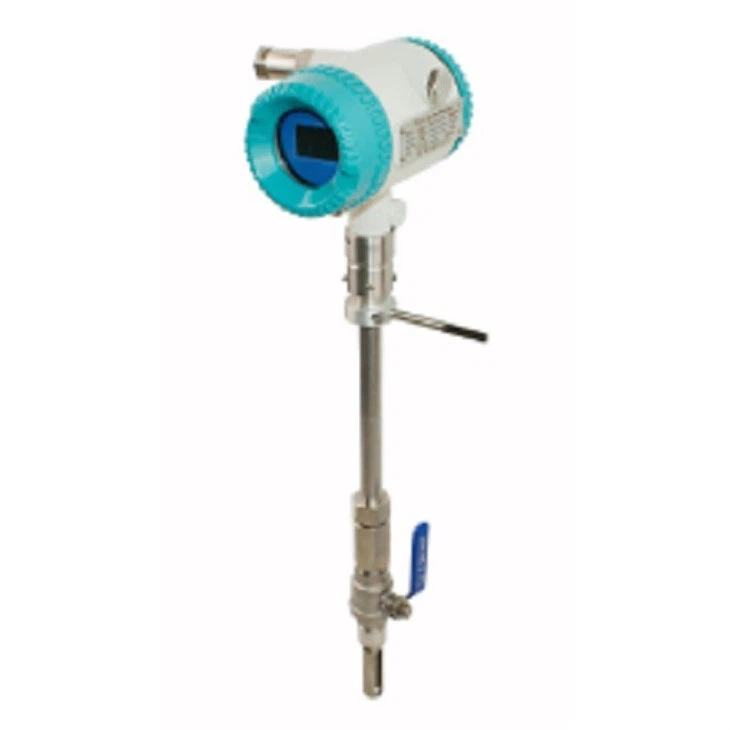
Before we start the connection process, it's crucial to pick the right slight gas flowmeter for your application. There are different types out there, but one of the popular ones is the Thermal Gas Mass Flowmeter with Digit Display. This type of flowmeter measures the mass flow of gas directly, without being affected by changes in temperature and pressure. It also has a digital display, which makes it easy to read the flow rate.
If you're dealing with biogas, then the Thermal Mass Gas Flowmeter For Biogas is a great choice. Biogas has unique properties, and this flowmeter is specifically designed to handle it accurately. And of course, our Slight Gas Flowmeter is a versatile option that can be used in a wide range of applications.
2. Pre - installation Checks
Once you've got your flowmeter, it's time to do some pre - installation checks. First, make sure the flowmeter is in good condition. Check for any visible damage, like cracks or loose parts. Also, verify that the specifications of the flowmeter match your requirements, such as the flow range, gas type, and connection size.
Next, check the control system. Make sure it's compatible with the flowmeter. You need to know the input requirements of the control system, like the signal type (analog or digital), voltage range, and communication protocol. If there are any discrepancies, you might need to use signal converters or adapters.
3. Mounting the Flowmeter
Proper mounting of the flowmeter is essential for accurate measurement. Most slight gas flowmeters are designed to be installed in a pipeline. Follow the manufacturer's instructions for the correct orientation. In general, the flowmeter should be installed in a straight section of the pipeline, away from any bends, valves, or other flow - disturbing elements. This ensures a uniform flow profile, which is necessary for accurate readings.
Use the appropriate mounting hardware, like flanges or threaded connectors, to secure the flowmeter to the pipeline. Make sure the connections are tight to prevent any gas leaks.
4. Wiring the Flowmeter to the Control System
Now comes the wiring part. This is where you connect the flowmeter to the control system. First, identify the output terminals on the flowmeter. There are usually two types of outputs: analog and digital.
Analog Output
If your flowmeter has an analog output, it typically provides a current signal (usually 4 - 20 mA) or a voltage signal (e.g., 0 - 10 V). Connect the positive and negative terminals of the analog output to the corresponding input terminals on the control system. Use shielded cables to reduce electrical interference.
Digital Output
For a digital output, the flowmeter might use protocols like Modbus, Profibus, or Ethernet. Connect the communication cables according to the protocol requirements. Make sure to follow the correct pin - out and termination procedures.
5. Configuration and Calibration
After wiring, you need to configure the flowmeter and the control system. On the flowmeter, you can set parameters like the gas type, flow units, and range. Use the programming interface on the flowmeter, which could be a keypad or a software - based configuration tool.
On the control system, you need to set up the input channels to receive and process the signals from the flowmeter. Configure the scaling factors so that the control system can display the flow rate accurately.
Calibration is also an important step. You can use a calibration gas or a reference flowmeter to calibrate your slight gas flowmeter. Follow the calibration procedure provided by the manufacturer to ensure accurate measurements.

6. Testing and Troubleshooting
Once everything is set up, it's time to test the system. Start the gas flow and check the readings on the flowmeter and the control system. Compare the readings to make sure they are consistent.
If you encounter any problems, like incorrect readings or no signal, start troubleshooting. Check the wiring connections first to make sure they are secure. Also, verify the configuration settings on both the flowmeter and the control system. If the issue persists, contact the manufacturer's technical support team for further assistance.
7. Maintenance
Regular maintenance is key to keeping your flowmeter and control system working properly. Check the flowmeter for any signs of wear and tear, and clean it if necessary. Inspect the wiring connections periodically to make sure they are still tight.
Keep an eye on the performance of the flowmeter. If you notice any changes in the readings or if the flowmeter starts behaving erratically, it might be time for a more in - depth inspection or calibration.
Conclusion
Connecting a slight gas flowmeter to a control system might seem like a complex task, but if you follow these steps, it can be a smooth process. Remember to choose the right flowmeter, do proper pre - installation checks, mount it correctly, wire it properly, configure and calibrate it, test and troubleshoot, and perform regular maintenance.
If you're in the market for a high - quality slight gas flowmeter or need more information on the connection process, feel free to reach out. We're here to help you with all your gas flow measurement needs and can assist you in making the right choices for your application.
References
- Manufacturer's manuals for slight gas flowmeters
- Industry standards for gas flow measurement and control systems


