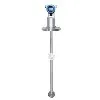
Hey there! As a supplier of high accuracy flowmeters for the food and beverage industry, I know how crucial it is to keep these devices clean. In this blog, I'll share some practical tips on how to clean high accuracy flowmeters used in this industry.
First off, let's understand why cleaning is so important. In the food and beverage industry, hygiene is a top priority. Contaminants in flowmeters can lead to product spoilage, affect taste and quality, and even pose health risks. High accuracy flowmeters are designed to provide precise measurements, and any build - up of debris or residue can interfere with their performance, leading to inaccurate readings.

Pre - cleaning Preparations
Before you start cleaning, it's essential to take some preparatory steps. First, shut down the system that the flowmeter is part of. This not only ensures your safety but also prevents any potential damage to the flowmeter during the cleaning process. Make sure to follow the manufacturer's instructions for shutting down the system.
Next, gather all the necessary cleaning tools and materials. You'll typically need a soft - bristle brush, clean water, and appropriate cleaning agents. For food and beverage applications, the cleaning agents should be food - grade and approved for use in this industry. Avoid using abrasive materials or harsh chemicals that could scratch or corrode the flowmeter's internal components.
Cleaning Different Types of High Accuracy Flowmeters
Mass Flowmeter
Mass flowmeters, like the ones you can learn more about at Mass Flowmeter, are commonly used in the food and beverage industry. These meters measure the mass of the fluid flowing through them.
To clean a mass flowmeter, start by flushing it with clean water. This helps to remove any loose debris or particles. Use a low - pressure water flow to avoid damaging the sensitive internal components. If there is stubborn residue, you can use a food - grade cleaning solution. Dilute the cleaning solution according to the manufacturer's instructions and circulate it through the flowmeter for a specified period.
After circulating the cleaning solution, flush the flowmeter again with clean water to remove any traces of the cleaning agent. Make sure to flush it thoroughly to prevent any chemical residue from remaining in the meter, which could contaminate the food or beverage products.
Coriolis Mass Flowmeter for Drinking
Coriolis mass flowmeters for drinking, as described at Coriolis Mass Flowmeter for Drinking, are designed specifically for measuring the flow of drinking - related fluids.
For these flowmeters, the cleaning process is similar to that of mass flowmeters. However, since they are used for drinking fluids, extra care must be taken. Start by disassembling the flowmeter if possible. Some models have parts that can be easily removed for cleaning. Use a soft brush to gently clean the internal surfaces, paying special attention to areas where debris might accumulate, such as the measuring tubes.
When using a cleaning agent, choose one that is specifically formulated for use with drinking - water systems. After cleaning and reassembling the flowmeter, perform a final rinse with potable water to ensure that it is safe for use with drinking fluids.

Coriolis Flowmeter
Coriolis flowmeters, detailed at Coriolis Flowmeter, are also widely used in the food and beverage industry. They work based on the Coriolis effect to measure the mass flow of fluids.
To clean a Coriolis flowmeter, begin by isolating it from the system. Then, use a cleaning solution to fill the flowmeter. Let it soak for a while to dissolve any deposits. You can use a gentle agitation method, such as a slow - speed pump, to help the cleaning solution reach all parts of the meter.
After soaking, drain the cleaning solution and flush the flowmeter with clean water multiple times. Check the flowmeter for any remaining debris or residue. If necessary, repeat the cleaning process until the flowmeter is clean.
Post - cleaning Checks
Once you've completed the cleaning process, it's important to perform some post - cleaning checks. First, visually inspect the flowmeter for any signs of damage or remaining debris. Look for scratches, cracks, or any other issues that could affect its performance.
Next, calibrate the flowmeter. Cleaning can sometimes affect the calibration of high accuracy flowmeters. Follow the manufacturer's calibration procedures to ensure that the flowmeter is providing accurate measurements again.
Finally, test the flowmeter in the system. Run a small amount of the fluid through the flowmeter and monitor its performance. Check for any abnormal readings or signs of malfunction.
Regular Cleaning Schedule
Establishing a regular cleaning schedule is vital for maintaining the performance and longevity of high accuracy flowmeters. The frequency of cleaning depends on several factors, such as the type of fluid being measured, the operating conditions, and the level of contaminants in the fluid.
For systems that handle clean fluids with low levels of contaminants, a quarterly cleaning might be sufficient. However, if the fluid is highly viscous or contains a lot of particles, more frequent cleaning, perhaps monthly or even weekly, may be required.
Conclusion
Cleaning high accuracy flowmeters used in the food and beverage industry is a critical task that requires attention to detail and the use of proper techniques. By following the steps outlined in this blog, you can ensure that your flowmeters remain in good working condition, provide accurate measurements, and meet the strict hygiene standards of the industry.
If you're in the market for high - quality high accuracy flowmeters or need more information on cleaning and maintenance, don't hesitate to get in touch with us. We're here to help you with all your flowmeter needs and can provide you with the best solutions for your food and beverage applications.
References
- Industry standards for food and beverage processing equipment cleaning
- Manufacturer's manuals for high accuracy flowmeters