

Hey there! As a supplier of Vortex Flowmeters, I often get asked about how to clean these nifty devices. A well - maintained vortex flowmeter can offer accurate readings and have a longer lifespan, so it's super important to know the right cleaning methods. Let's dive right in!
Why Clean a Vortex Flowmeter?
First off, you might be wondering why you even need to clean a vortex flowmeter. Well, over time, debris, dirt, and other contaminants can build up inside the flowmeter. This buildup can affect the flow of the fluid or gas passing through it, leading to inaccurate measurements. For example, if you're using a Gas Flowmeter with 4 - 20mA Output in an industrial setting where there's a lot of dust or particulate matter in the gas, the sensors and internal components can get clogged. This not only messes with the readings but can also cause the flowmeter to wear out faster.
Pre - Cleaning Preparations
Before you start cleaning your vortex flowmeter, there are a few things you need to do. Safety first! Make sure to shut off the power supply to the flowmeter. This will prevent any electrical hazards while you're working on it. Also, close the valves on both the inlet and outlet of the flowmeter to stop the flow of the fluid or gas.
Next, gather the necessary tools. You'll typically need a soft brush, some clean rags, and a mild cleaning solution. Avoid using abrasive materials or harsh chemicals, as these can damage the sensitive components of the flowmeter.
Cleaning the Exterior
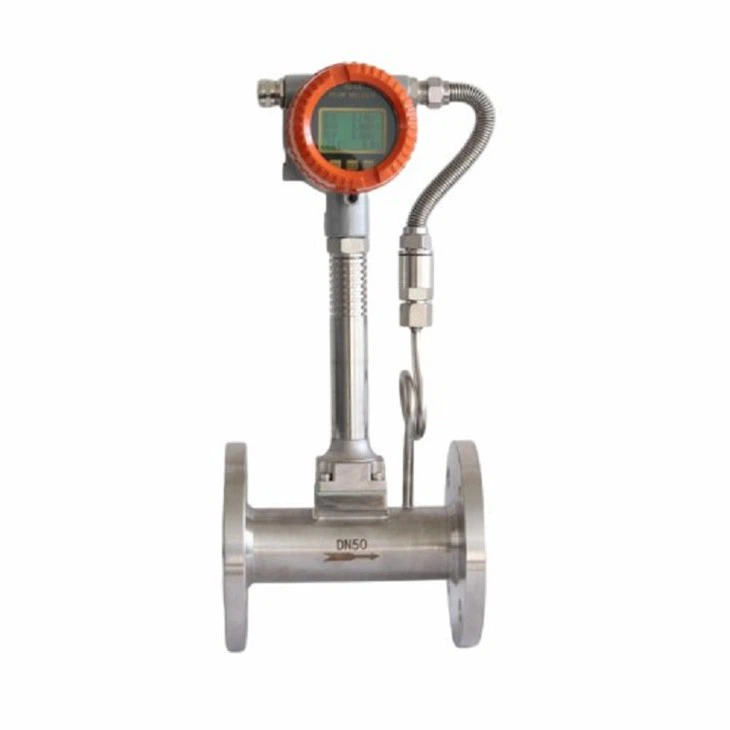
Let's start with the easy part - cleaning the exterior of the flowmeter. Use a clean, damp rag to wipe down the outer surface of the flowmeter. This will remove any dust, dirt, or grime that has accumulated on it. Pay special attention to the display panel and control buttons, if there are any. Make sure to dry the exterior thoroughly to prevent any water from seeping into the internal components.
Cleaning the Internal Components
Now, for the more tricky part - cleaning the internal components. This is where you need to be extra careful. If you're not confident in doing this yourself, it's best to call in a professional.
First, carefully remove the cover of the flowmeter. This may require using a screwdriver or other tools, depending on the model. Once the cover is off, you'll be able to see the internal components, such as the sensor and the measuring tube.
Use a soft brush to gently remove any loose debris from the internal components. Be very gentle when brushing the sensor, as it's a delicate part. If there are stubborn stains or deposits, you can use a mild cleaning solution. Dip a clean rag in the solution and carefully wipe the affected areas.
For LUGB Flowmeter and Steam Flowmeter, the internal components may be more prone to scale buildup due to the nature of the fluids they measure. In such cases, you may need to soak the components in a descaling solution for a short period. But again, make sure to follow the manufacturer's instructions.
Reassembling and Testing
After you've cleaned all the components, it's time to put the flowmeter back together. Carefully replace the cover and make sure all the screws are tightened properly.
Once the flowmeter is reassembled, it's important to test it. Turn on the power supply and open the valves to allow the fluid or gas to flow through the flowmeter. Check the display to make sure it's showing accurate readings. If you notice any issues, such as erratic readings or error messages, it may be a sign that something was not cleaned or reassembled correctly.
Maintenance Tips
Cleaning your vortex flowmeter is just one part of the maintenance process. Here are some additional tips to keep your flowmeter in top condition:

- Regularly inspect the flowmeter for any signs of damage or wear. Look for cracks, leaks, or loose connections.
- Follow the manufacturer's recommended maintenance schedule. This may include things like calibration checks and component replacements.
- Keep a record of all the cleaning and maintenance activities. This will help you track the performance of the flowmeter over time and identify any potential issues.
Contact Us for Your Vortex Flowmeter Needs
If you're in the market for a new vortex flowmeter or need more information about cleaning and maintenance, we're here to help. As a leading supplier of vortex flowmeters, we offer a wide range of products to meet your specific requirements. Whether you need a Gas Flowmeter with 4 - 20mA Output, a LUGB Flowmeter, or a Steam Flowmeter, we've got you covered.
Don't hesitate to reach out to us for more details. We're always happy to answer your questions and assist you with your purchasing decisions.
References
- "Flowmeter Handbook: Theory and Practice", Third Edition by Richard W. Miller
- Manufacturer's manuals for various vortex flowmeter models.


