In today's industrial landscape, the seamless integration of sensors and instruments with control systems is crucial for optimizing processes, enhancing efficiency, and ensuring product quality. Turbine flowmeters, known for their high accuracy, reliability, and wide range of applications, are frequently employed to measure the flow rate of liquids and gases in various industries. The question arises: Can a turbine flowmeter be integrated with a control system? The answer is a resounding yes, and in this blog, we will explore the possibilities, benefits, and considerations of such an integration, with the perspective of a turbine flowmeter supplier.
Understanding Turbine Flowmeters
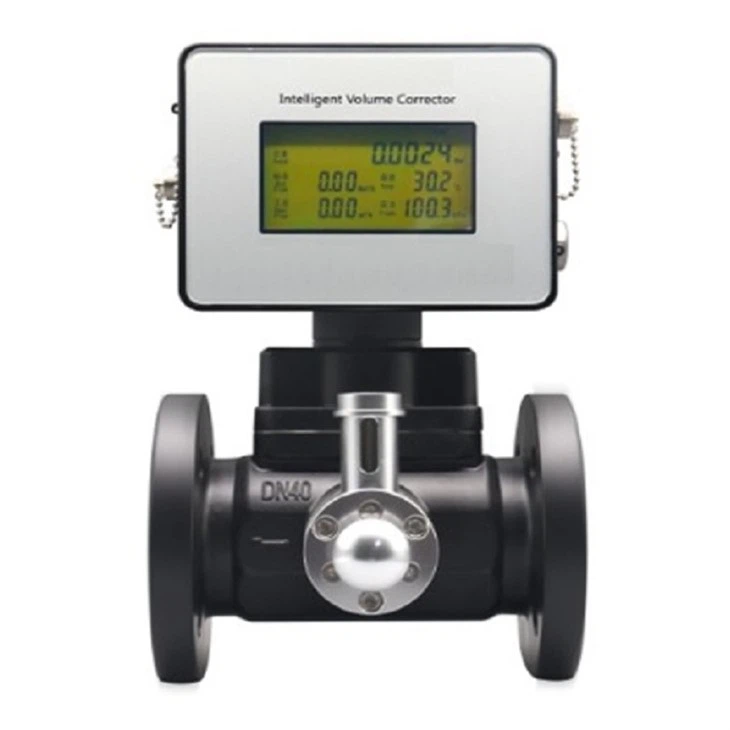
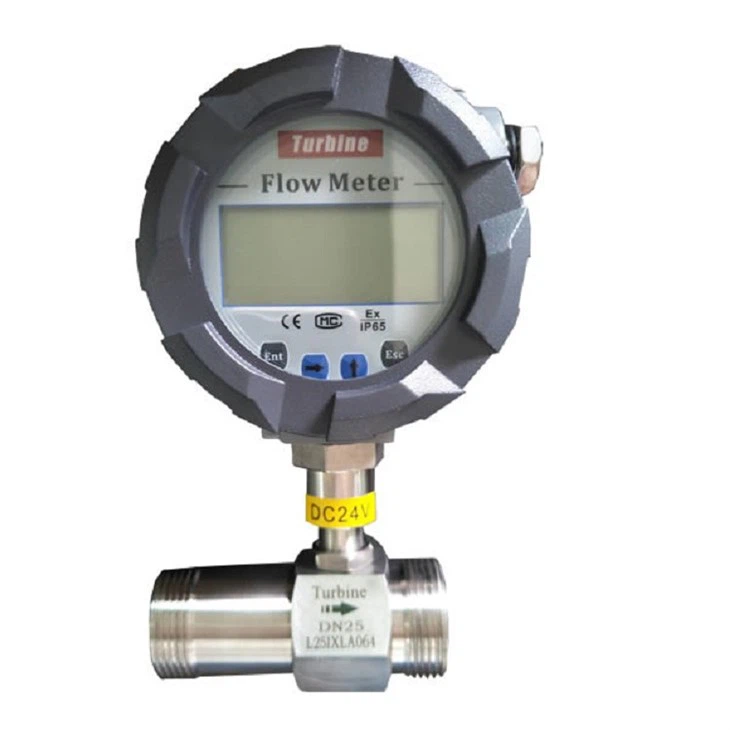
Turbine flowmeters operate on the principle of fluid flowing past a freely rotating turbine blade. The fluid's velocity causes the turbine to spin, and the rotation speed is directly proportional to the fluid's flow rate. Magnetic pickups or other sensing mechanisms detect the turbine's rotation, generating electrical pulses that are then converted into flow rate measurements. These flowmeters are available in various configurations, including Sanitary Turbine Flowmeter, Natural Gas Turbine Flowmeter, and Temperature And Pressure Compensate Turbine Flowmeter, each designed to meet specific application requirements.
Integration with a Control System
The integration of a turbine flowmeter with a control system involves connecting the flowmeter to a controller, such as a programmable logic controller (PLC), distributed control system (DCS), or a supervisory control and data acquisition (SCADA) system. This connection allows the control system to receive real-time flow rate data from the flowmeter, which can then be used for various control and monitoring purposes.
Signal Transmission
Turbine flowmeters typically output a frequency signal proportional to the flow rate. This signal can be transmitted to the control system using a variety of methods, including analog signals (such as 4 - 20 mA), pulse signals, or digital communication protocols (such as Modbus, Profibus, or HART). The choice of signal transmission method depends on the requirements of the control system and the distance between the flowmeter and the controller.
Flow Rate Monitoring and Control
Once the flow rate data is received by the control system, it can be used for monitoring and control purposes. For example, the control system can display the flow rate on a human - machine interface (HMI), record the flow data for historical analysis, or compare the measured flow rate with a setpoint value and adjust the flow accordingly. In a manufacturing process, if the flow rate of a raw material needs to be maintained at a specific level, the control system can use the flow rate data from the turbine flowmeter to regulate the opening of a control valve or the speed of a pump.
Alarm and Safety Functions
The integration of a turbine flowmeter with a control system also enables the implementation of alarm and safety functions. If the flow rate exceeds a predefined upper or lower limit, the control system can trigger an alarm, alerting operators to take immediate action. In critical applications, the control system can even initiate safety shutdown procedures to prevent equipment damage or unsafe operating conditions.
Benefits of Integration
The integration of a turbine flowmeter with a control system offers several significant benefits:
Enhanced Process Control
By providing real - time flow rate data to the control system, turbine flowmeters enable more precise and accurate process control. This leads to better product quality, reduced waste, and improved overall process efficiency. For example, in a chemical manufacturing process, accurate flow rate control ensures the correct proportion of reactants, resulting in a higher - quality final product.
Improved Monitoring and Reporting
The control system can collect and analyze flow rate data over time, providing valuable insights into process performance. This data can be used for generating reports, identifying trends, and making informed decisions about process optimization. For instance, historical flow rate data can help identify periods of high or low flow, allowing operators to adjust production schedules accordingly.
Safety and Reliability
The alarm and safety functions provided by the integrated system enhance the safety and reliability of the process. By detecting abnormal flow conditions early, the system can prevent costly equipment failures and ensure the safety of personnel. In a natural gas pipeline, for example, the integration of a Natural Gas Turbine Flowmeter with a control system can detect leaks or abnormal flow rates and trigger emergency shutdown procedures.
Considerations for Integration
While the integration of a turbine flowmeter with a control system offers many benefits, there are several considerations that need to be taken into account:
Compatibility
It is essential to ensure that the turbine flowmeter is compatible with the control system in terms of signal output, communication protocols, and power requirements. Before installation, the specifications of both the flowmeter and the control system should be carefully reviewed to ensure a seamless integration.
Installation and Wiring
Proper installation and wiring are crucial for the accurate operation of the integrated system. The flowmeter should be installed in accordance with the manufacturer's instructions, and the wiring should be protected from electromagnetic interference (EMI) and other environmental factors. Incorrect installation or wiring can lead to inaccurate flow measurements and system malfunctions.
Calibration and Maintenance
Regular calibration and maintenance of the turbine flowmeter are necessary to ensure its accuracy and reliability. The control system should be configured to account for any calibration adjustments made to the flowmeter. Additionally, scheduled maintenance, such as cleaning the turbine blades and checking the sensor for damage, is essential to prevent performance degradation.
Conclusion
In conclusion, a turbine flowmeter can be effectively integrated with a control system, offering significant benefits in terms of process control, monitoring, and safety. As a turbine flowmeter supplier, we understand the importance of providing high - quality products that are easy to integrate with various control systems. Our Sanitary Turbine Flowmeter, Natural Gas Turbine Flowmeter, and Temperature And Pressure Compensate Turbine Flowmeter are designed to meet the diverse needs of industrial applications and can be seamlessly integrated with PLCs, DCSs, and SCADA systems.
If you are interested in integrating a turbine flowmeter with your control system or have any questions about our products, we encourage you to contact us for further discussion and procurement. Our team of experts is ready to assist you in finding the best solution for your specific requirements.
References
- Spitzer, D. W. (2003). Flow Measurement: Practical Guides for Measurement and Control. ISA - The Instrumentation, Systems, and Automation Society.
- Miller, R. W. (1996). Flow Measurement Engineering Handbook. McGraw - Hill.