Hey there! As a supplier of Mass Flowmeters, I often get asked this question: "Can a mass flowmeter measure liquid flow?" Well, the short answer is yes, and in this blog, I'll dive deep into how and why mass flowmeters are great for measuring liquid flow.
First off, let's understand what a mass flowmeter is. A mass flowmeter, like the ones we offer at [we'll assume a general context here], is a device that measures the mass flow rate of a fluid traveling through a tube. Unlike volumetric flowmeters that measure the volume of fluid passing through a point per unit time, mass flowmeters directly measure the mass of the fluid. This is super important because the mass of a fluid remains constant regardless of changes in temperature, pressure, or density, which can greatly affect volumetric measurements.
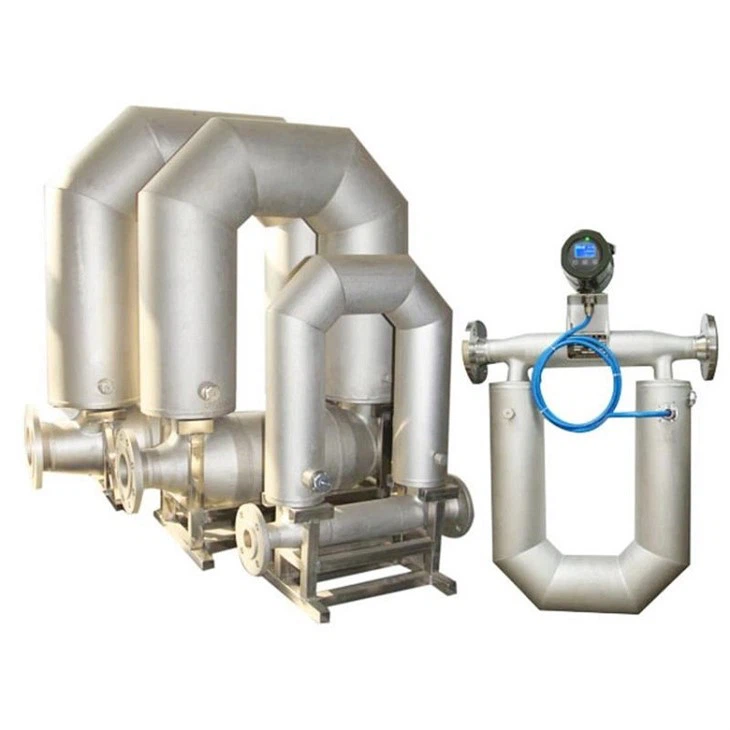
Now, when it comes to liquids, mass flowmeters are incredibly useful. There are different types of mass flowmeters, but one of the most common and effective ones for liquid measurement is the Coriolis mass flowmeter.
How Coriolis Mass Flowmeters Work for Liquids
Coriolis mass flowmeters operate based on the Coriolis effect. When a liquid flows through a vibrating tube in the flowmeter, the Coriolis force causes the tube to twist. The amount of twist is directly proportional to the mass flow rate of the liquid. This technology is highly accurate and can measure the mass flow of various liquids, from water and chemicals to viscous substances like oils.
Let's say you're in the food and beverage industry, and you need to measure the flow of milk or juice in your production line. A Coriolis Mass Flowmeter for Drinking can provide precise measurements, ensuring that you're adding the right amount of ingredients and maintaining consistent product quality. These flowmeters are also hygienic and can be easily cleaned, which is crucial in the food industry to prevent contamination.
In the chemical industry, where the accurate measurement of corrosive or hazardous liquids is essential, Coriolis mass flowmeters are a top choice. They can handle a wide range of chemicals and provide reliable measurements even in harsh environments. For example, if you're producing fertilizers and need to measure the flow of ammonia or sulfuric acid, a mass flowmeter can give you accurate data, helping you control the production process and avoid waste.
Advantages of Using Mass Flowmeters for Liquid Measurement
High Accuracy
One of the biggest advantages of using a mass flowmeter for liquid measurement is its high accuracy. Our High Accuracy Flowmeter can measure mass flow rates with an accuracy of up to ±0.1%. This level of accuracy is crucial in industries where even a small error in measurement can lead to significant losses or quality issues.
Direct Mass Measurement
As mentioned earlier, mass flowmeters directly measure the mass of the liquid, eliminating the need for density compensation. This makes the measurement process simpler and more reliable, especially when dealing with liquids whose density may change due to temperature or pressure variations.
Wide Range of Applications
Mass flowmeters can be used to measure the flow of various liquids, regardless of their viscosity, conductivity, or chemical composition. Whether you're dealing with thin, watery liquids or thick, sticky substances, a mass flowmeter can provide accurate measurements.
Low Maintenance
Mass flowmeters are generally low - maintenance devices. They have no moving parts in contact with the liquid (except for the vibrating tube in Coriolis flowmeters), which reduces the risk of wear and tear and minimizes the need for frequent calibration and repairs.
Considerations When Using Mass Flowmeters for Liquids
While mass flowmeters are great for measuring liquid flow, there are a few things to consider before choosing a flowmeter for your application.
Liquid Properties
The properties of the liquid, such as its viscosity, density, and chemical composition, can affect the performance of the flowmeter. For example, highly viscous liquids may require a flowmeter with a larger tube diameter to ensure smooth flow and accurate measurement.
Flow Rate Range
You need to determine the expected flow rate range of the liquid in your application. Make sure to choose a flowmeter that can handle the minimum and maximum flow rates without compromising accuracy.
Installation Requirements
Proper installation is crucial for the accurate operation of a mass flowmeter. The flowmeter should be installed in a straight section of the pipe, away from any valves, elbows, or other flow - disturbing elements.
Real - World Examples of Mass Flowmeters in Liquid Measurement
Let's take a look at some real - world examples of how mass flowmeters are used to measure liquid flow.

Water Treatment Plants
In water treatment plants, mass flowmeters are used to measure the flow of water at different stages of the treatment process. For example, they can measure the flow of raw water entering the plant, the flow of treated water leaving the plant, and the flow of chemicals used in the treatment process. This helps in optimizing the treatment process, ensuring that the right amount of chemicals is added and that the water is treated efficiently.
Oil and Gas Industry
In the oil and gas industry, mass flowmeters are used to measure the flow of crude oil, refined products, and natural gas liquids. They can provide accurate measurements of the mass flow rate, which is important for custody transfer (the transfer of ownership of the oil or gas) and for process control in refineries and pipelines.
Pharmaceutical Industry
In the pharmaceutical industry, mass flowmeters are used to measure the flow of various liquids, such as solvents, active pharmaceutical ingredients, and excipients. Accurate measurement is crucial in this industry to ensure the quality and efficacy of the drugs being produced.
Conclusion
So, to answer the question "Can a mass flowmeter measure liquid flow?" - absolutely! Mass flowmeters, especially Coriolis mass flowmeters, are highly effective in measuring the mass flow of liquids in a wide range of applications. They offer high accuracy, direct mass measurement, and are suitable for various liquid types.
If you're in need of a reliable mass flowmeter for your liquid measurement needs, check out our Mass Flowmeter product line. We have a variety of flowmeters to suit different applications and budgets. Whether you're in the food and beverage, chemical, water treatment, or any other industry, we can help you find the right flowmeter for your requirements.
Don't hesitate to reach out if you have any questions or if you'd like to discuss your specific application. We're here to assist you in making the best choice for your liquid flow measurement needs. Let's start a conversation and see how we can help you improve your process with our high - quality mass flowmeters.
References
- "Flow Measurement Handbook: Industrial Designs and Applications" by Richard W. Miller
- "Coriolis Flow and Density Measurement" by Jochen Kipke