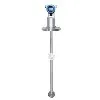
Can a Fork Level Switch be used in outdoor environments?
As a supplier of Fork Level Switches, I often receive inquiries from customers regarding the suitability of our products for outdoor use. This blog post aims to provide a comprehensive analysis of whether a Fork Level Switch can be effectively utilized in outdoor environments, taking into account various factors such as environmental conditions, product features, and potential challenges.
Understanding Fork Level Switches
Before delving into the outdoor application of Fork Level Switches, it's essential to understand what they are and how they work. A Fork Level Switch is a device used for point level detection in liquids and bulk solids. It operates based on the principle of vibration. The fork-shaped sensing element vibrates at its natural frequency when in air. When the fork comes into contact with the medium being monitored, the vibration frequency changes, and this change is detected by the switch, which then activates an output signal.
Environmental Considerations for Outdoor Use
Outdoor environments present a unique set of challenges that can impact the performance and longevity of a Fork Level Switch. Here are some key environmental factors to consider:
Temperature
Outdoor temperatures can vary significantly depending on the location and season. Extreme heat or cold can affect the electrical and mechanical components of the Fork Level Switch. High temperatures can cause the materials to expand, potentially leading to misalignment of the fork or damage to the internal circuitry. On the other hand, low temperatures can make the materials brittle and reduce the sensitivity of the switch.
Most modern Fork Level Switches are designed to operate within a specific temperature range. For example, some models can withstand temperatures from -40°C to 80°C. When selecting a Fork Level Switch for outdoor use, it's crucial to choose a model that can tolerate the expected temperature variations in the installation area.
Humidity and Moisture
Humidity and moisture are common in outdoor environments, especially in areas with high rainfall or near bodies of water. Excessive moisture can cause corrosion of the metal parts of the Fork Level Switch, leading to reduced performance and potential failure. Additionally, moisture can seep into the electrical components, causing short circuits or other electrical malfunctions.
To combat the effects of humidity and moisture, Fork Level Switches are often equipped with protective enclosures. These enclosures are designed to be waterproof or at least resistant to moisture ingress. Some models feature IP (Ingress Protection) ratings, which indicate the level of protection against solid objects and liquids. For outdoor use, a Fork Level Switch with a high IP rating, such as IP67 or IP68, is recommended.
Dust and Debris
Outdoor areas can be dusty, especially in industrial or construction sites. Dust and debris can accumulate on the fork of the Fork Level Switch, affecting its vibration characteristics and potentially leading to false readings. In addition, large particles or debris can get stuck between the fork tines, preventing the switch from functioning properly.
To prevent dust and debris from interfering with the operation of the Fork Level Switch, some models are designed with a self-cleaning mechanism. This mechanism helps to remove any accumulated material from the fork, ensuring accurate and reliable level detection.
Wind and Vibration
Strong winds can cause the Fork Level Switch to vibrate, which may affect its performance. Excessive vibration can also loosen the mounting bolts or other components of the switch, leading to misalignment or damage.
When installing a Fork Level Switch outdoors, it's important to ensure that it is properly mounted and secured. The mounting location should be chosen carefully to minimize the impact of wind and vibration. Additionally, some Fork Level Switches are designed to be more resistant to external vibrations, which can help to improve their reliability in outdoor environments.
Advantages of Using Fork Level Switches Outdoors
Despite the challenges posed by outdoor environments, there are several advantages to using Fork Level Switches in these settings:
Reliability
Fork Level Switches are known for their reliability and accuracy. They are less affected by changes in the properties of the medium being monitored, such as density, viscosity, and conductivity. This makes them suitable for a wide range of outdoor applications, including water treatment plants, chemical storage facilities, and agricultural irrigation systems.
Low Maintenance
Compared to other types of level sensors, Fork Level Switches require minimal maintenance. They have no moving parts other than the vibrating fork, which reduces the risk of mechanical failure. Additionally, the self-cleaning mechanism of some models helps to keep the fork clean and free from debris, further reducing the need for maintenance.
Easy Installation
Fork Level Switches are relatively easy to install. They can be mounted directly on the tank or container using a variety of mounting options, such as threaded connections or flanges. This makes them a cost-effective solution for outdoor level monitoring applications.
Selecting the Right Fork Level Switch for Outdoor Use
When choosing a Fork Level Switch for outdoor use, it's important to consider the specific requirements of the application. Here are some factors to keep in mind:
Environmental Conditions
As mentioned earlier, the temperature, humidity, dust, and wind conditions in the installation area should be taken into account when selecting a Fork Level Switch. Choose a model that can withstand the expected environmental conditions and has the appropriate protective features, such as a high IP rating and a self-cleaning mechanism.
Medium Characteristics
The properties of the medium being monitored, such as its density, viscosity, and chemical composition, can also affect the performance of the Fork Level Switch. Make sure to choose a model that is compatible with the medium and can provide accurate level detection.


Mounting Options
Consider the available mounting options and choose a Fork Level Switch that can be easily installed in the desired location. Some models offer multiple mounting options, which can provide more flexibility in the installation process.
Output Signals
Determine the type of output signals required for the application. Fork Level Switches typically offer a variety of output options, such as relay contacts, current signals, or digital outputs. Choose a model that can provide the appropriate output signals to interface with the control system.
Our Product Range for Outdoor Use
At our company, we offer a wide range of Fork Level Switches that are suitable for outdoor use. Our Compact Tuning Fork Level Switch is a popular choice for outdoor applications due to its compact size, high reliability, and easy installation. It is designed to operate in a wide temperature range and is equipped with a protective enclosure with a high IP rating.
In addition to the Compact Tuning Fork Level Switch, we also offer other models with different features and specifications to meet the diverse needs of our customers. Our technical support team is always available to assist you in selecting the right Fork Level Switch for your outdoor application.
Conclusion
In conclusion, a Fork Level Switch can be used in outdoor environments, but it's important to choose the right model and take appropriate measures to protect it from the harsh environmental conditions. By considering the factors discussed in this blog post and selecting a high-quality Fork Level Switch from a reputable supplier, you can ensure reliable and accurate level detection in your outdoor applications.
If you have any questions or need further information about our Fork Level Switches for outdoor use, please don't hesitate to contact us. We look forward to discussing your requirements and providing you with the best solution for your level monitoring needs.
References
- "Level Measurement Handbook," Emerson Process Management
- "Tuning Fork Level Switches: Principles and Applications," Magnetrol International