

The price of a concentration meter can vary significantly based on multiple factors. As a supplier of concentration meters, I'll delve into the different price ranges and the elements influencing them.
Factors Affecting the Price of Concentration Meters
1. Technology and Measurement Principle
Concentration meters use various technologies such as refractometry, conductivity measurement, and infrared absorption. Refractometers measure the refractive index of a solution, which changes with the concentration of dissolved substances. These are relatively common and can range from moderately priced to high - end depending on their precision and additional features. For instance, basic handheld refractometers for simple applications might start at around $200. These are often used in educational settings or for quick, on - the - spot measurements.
On the other hand, high - precision laboratory refractometers that can measure very small changes in concentration with high accuracy can cost upwards of $5000. These are used in research institutions and industries where precise concentration data is crucial, such as the pharmaceutical and chemical industries.
Conductivity - based concentration meters measure the electrical conductivity of a solution, which is related to the concentration of ions present. Simple conductivity meters for general water quality testing can be found for as low as $100. However, industrial - grade conductivity meters with advanced features like temperature compensation, multiple measurement ranges, and data logging capabilities can cost between $1000 and $3000.
Infrared absorption - based concentration meters are more complex and are used for measuring specific substances in a solution. They are often used in environmental monitoring and industrial process control. These meters can be quite expensive, with prices starting from around $3000 and going up to $10,000 or more, depending on the number of substances they can measure and their sensitivity.
2. Application and Industry
The intended application of the concentration meter also plays a major role in determining its price. In the food and beverage industry, concentration meters are used to measure the sugar content in juices, the alcohol content in wines, and the salt content in brines. For example, a Drinking Concentration Meter used to measure the concentration of dissolved solids in drinking water or beverages needs to meet strict hygiene and accuracy standards. These meters typically cost between $500 and $2000, depending on their features and the level of precision required.
In the pharmaceutical industry, concentration meters are used to ensure the correct concentration of active ingredients in drugs. These meters need to be highly accurate and reliable, and they often come with additional features like calibration certificates and compliance with industry regulations. As a result, pharmaceutical - grade concentration meters can cost anywhere from $3000 to $15,000.
The chemical industry also has a wide range of requirements for concentration meters. For basic chemical processes, a relatively simple concentration meter might be sufficient, and these can cost a few hundred dollars. However, for high - purity chemical production or processes where the concentration of multiple substances needs to be monitored simultaneously, more advanced and expensive concentration meters are required, with prices ranging from $2000 to $8000.
3. Brand and Quality
Well - known brands in the market often command a higher price for their concentration meters. These brands have a reputation for producing high - quality, reliable products with excellent customer support. For example, a concentration meter from a leading international brand might cost 20 - 50% more than a similar - spec meter from a lesser - known brand.
Quality is also reflected in the build materials, the accuracy of the measurements, and the durability of the meter. A high - quality concentration meter made with robust materials and advanced electronics is likely to last longer and provide more accurate measurements over time. This can justify a higher price, especially for industries where equipment downtime can be costly.
4. Additional Features
Concentration meters with additional features such as data logging, wireless connectivity, and automatic calibration will generally be more expensive than basic models. Data logging allows users to record concentration measurements over time, which can be useful for process monitoring and quality control. Wireless connectivity enables remote monitoring and data transfer, which is particularly beneficial in large industrial facilities. Automatic calibration ensures that the meter maintains its accuracy without the need for frequent manual adjustments.
For example, a basic concentration meter without any additional features might cost around $300. However, if the same meter is equipped with data logging, wireless connectivity, and automatic calibration, its price could increase to $800 or more.
Price Ranges of Different Types of Concentration Meters
1. Handheld Concentration Meters
Handheld concentration meters are portable and easy to use, making them suitable for field measurements and quick checks. They are often used in industries such as agriculture, environmental monitoring, and food service. The price range for handheld concentration meters is typically between $100 and $1500. Basic handheld refractometers and conductivity meters fall at the lower end of this range, while more advanced handheld meters with multiple measurement capabilities and additional features are at the higher end.
2. Benchtop Concentration Meters
Benchtop concentration meters are designed for use in laboratories and industrial control rooms. They offer higher accuracy and more advanced features compared to handheld meters. The price range for benchtop concentration meters is between $500 and $5000. These meters are often used for research, quality control, and process development.
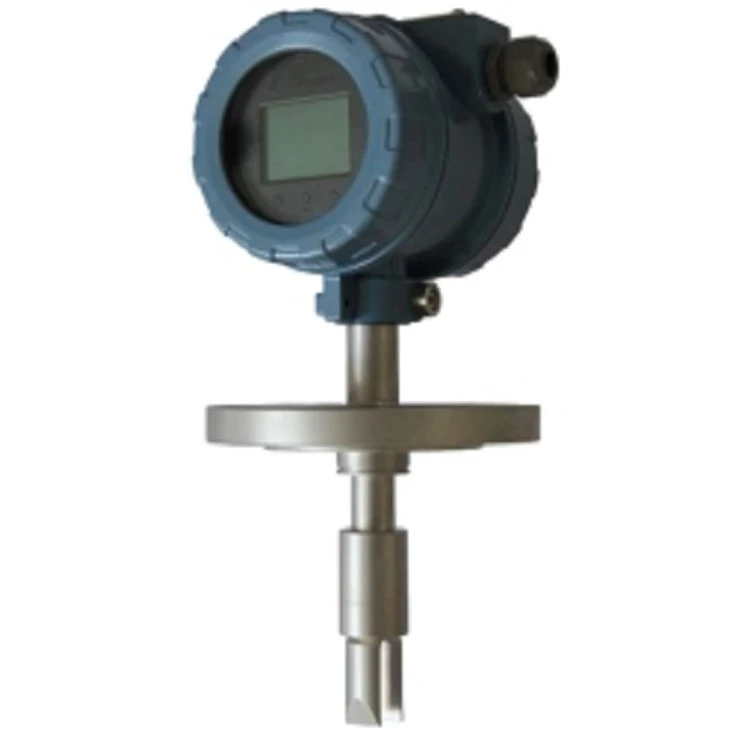

3. Online Concentration Transmitters
Online Concentration Transmitters are used for continuous monitoring of concentration in industrial processes. They are installed directly in the process pipeline and provide real - time concentration data. These transmitters need to be rugged, reliable, and able to operate in harsh industrial environments. The price range for online concentration transmitters is between $1000 and $10,000, depending on the technology used, the number of measurement points, and the level of automation.
4. Sanitary Type Concentration Transmitters
Sanitary Type Concentration Transmitters are specifically designed for use in industries where hygiene is of utmost importance, such as the food, beverage, and pharmaceutical industries. They are made with materials that are easy to clean and sterilize and are designed to meet strict industry standards. The price range for sanitary type concentration transmitters is between $2000 and $8000.
Conclusion
In conclusion, the price of a concentration meter can vary widely depending on the technology, application, brand, and additional features. As a supplier, we understand that each customer has unique requirements, and we offer a wide range of concentration meters to suit different budgets and needs. Whether you are looking for a basic handheld meter for quick checks or a high - end online concentration transmitter for continuous industrial process monitoring, we have the right solution for you.
If you are interested in purchasing a concentration meter or would like more information about our products, please feel free to contact us for a detailed quote and to discuss your specific requirements. Our team of experts is ready to assist you in finding the most suitable concentration meter for your application.
References
- Instrumentation Technology for Process Measurement and Control, Third Edition, by Gregory K. McMillan
- Handbook of Industrial Water Conditioning, by BetzDearborn Inc.
- Principles of Chemical Instrumentation, by Thomas R. Crompton


