

As a supplier of turbine flowmeters, I often encounter customers who are confused about the differences between mechanical and electronic turbine flowmeters. In this blog post, I will explain these differences in detail to help you make an informed decision when choosing a turbine flowmeter for your specific application.
Working Principle
The fundamental difference between mechanical and electronic turbine flowmeters lies in their working principles.
Mechanical Turbine Flowmeter
A mechanical turbine flowmeter operates based on the mechanical rotation of a turbine wheel. When fluid (either liquid or gas) flows through the meter, it causes the turbine wheel to rotate. The rotation speed of the turbine is directly proportional to the flow rate of the fluid. This mechanical rotation is then translated into a flow measurement through a mechanical or electromechanical mechanism.
The mechanical linkage can be a simple gear system that drives a mechanical counter or an indicator. The counter shows the cumulative volume of the fluid that has passed through the meter. This type of flowmeter is relatively straightforward in design and has been used for many years in various industries.
Electronic Turbine Flowmeter
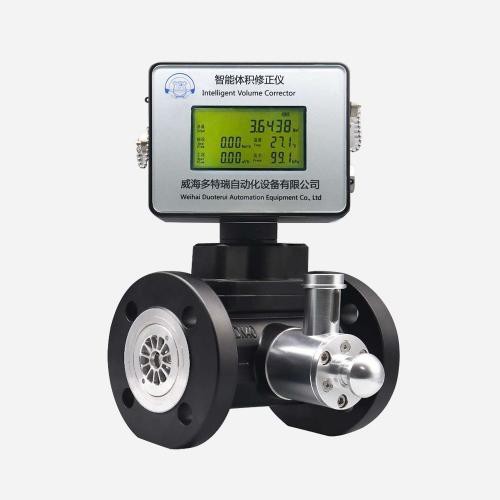
On the other hand, an electronic turbine flowmeter also relies on the rotation of a turbine wheel. However, instead of using a mechanical linkage to measure the flow, it uses electronic sensors to detect the rotation of the turbine. These sensors can be magnetic or optical.
When the turbine rotates, the sensors generate electrical pulses. The frequency of these pulses is directly proportional to the flow rate of the fluid. The electronic circuitry in the meter then processes these pulses to calculate the flow rate and can also provide additional information such as total volume, flow velocity, and sometimes even temperature and pressure compensation.
Accuracy and Precision
Accuracy
In general, electronic turbine flowmeters tend to offer higher accuracy compared to mechanical ones. The electronic sensors can detect very small changes in the rotation of the turbine, allowing for more precise measurement of the flow rate. This makes them suitable for applications where high accuracy is required, such as in the chemical industry for measuring the flow of expensive or critical chemicals.
Mechanical turbine flowmeters, while still accurate for many applications, may have some limitations due to mechanical wear and tear over time. The mechanical components can experience friction, which can affect the rotation of the turbine and ultimately the accuracy of the measurement.
Precision
Precision refers to the repeatability of the measurement. Electronic turbine flowmeters are typically more precise because the electronic sensors provide a consistent and reliable signal. The electronic circuitry can also perform advanced signal processing to reduce noise and interference, further improving the precision of the measurement.
Mechanical turbine flowmeters may have some variability in their measurements due to the mechanical nature of the components. For example, slight variations in the mechanical linkage or the movement of the turbine can lead to small differences in the measured flow rate from one measurement to the next.
Output and Display
Output
Electronic turbine flowmeters offer a wide range of output options. They can provide analog outputs such as 4 - 20 mA or 0 - 10 V, which can be easily integrated into control systems. They can also provide digital outputs such as Modbus, Profibus, or HART, allowing for remote monitoring and communication with other devices.
Mechanical turbine flowmeters usually have a simple mechanical display or a basic electrical output. The mechanical display shows the cumulative volume of the fluid, while the electrical output may be a pulse signal that can be used for basic flow monitoring.
Display
Electronic turbine flowmeters often come with a digital display that can show various parameters such as flow rate, total volume, and sometimes even diagnostic information. The display can be backlit for easy reading in different lighting conditions.
Mechanical turbine flowmeters typically have a mechanical indicator or a counter that shows the total volume of the fluid. The display is usually less informative compared to electronic flowmeters.
Installation and Maintenance
Installation
Both mechanical and electronic turbine flowmeters require proper installation to ensure accurate measurement. However, electronic turbine flowmeters may require more careful installation due to the presence of electronic components. They need to be protected from electrical interference and environmental factors such as moisture and dust.

Mechanical turbine flowmeters are generally easier to install because they do not have complex electronic circuitry. They can be installed in a wider range of environments without the need for special electrical protection.
Maintenance
Maintenance requirements also differ between the two types of flowmeters. Electronic turbine flowmeters may require periodic calibration to ensure accurate measurement. The electronic components may also need to be checked for any signs of damage or malfunction.
Mechanical turbine flowmeters require regular maintenance to lubricate the mechanical components and check for any signs of wear and tear. The mechanical linkage may need to be adjusted from time to time to ensure accurate measurement.
Applications
Mechanical Turbine Flowmeters
Mechanical turbine flowmeters are commonly used in applications where simplicity and reliability are more important than high accuracy. They are often used in industries such as water supply, irrigation, and some general industrial applications. For example, in a water treatment plant, a mechanical turbine flowmeter can be used to measure the flow of water into the treatment process.
Electronic Turbine Flowmeters
Electronic turbine flowmeters are preferred in applications where high accuracy and advanced features are required. They are widely used in the oil and gas industry, chemical industry, and food and beverage industry. For example, in the oil and gas industry, electronic turbine flowmeters are used to measure the flow of crude oil or natural gas, where accurate measurement is crucial for custody transfer and process control.
Conclusion
In conclusion, the choice between a mechanical and an electronic turbine flowmeter depends on your specific application requirements. If you need high accuracy, advanced features, and digital communication capabilities, an electronic turbine flowmeter is the better choice. However, if you are looking for a simple and reliable flowmeter for basic applications, a mechanical turbine flowmeter may be sufficient.
As a turbine flowmeter supplier, we offer a wide range of Liquid Turbine Flowmeter, High Accuracy Gas Turbine Flowmeter, and Gas Turbine Flowmeter to meet your needs. If you have any questions or need assistance in choosing the right flowmeter for your application, please feel free to contact us for a consultation. We are committed to providing you with the best solutions and excellent customer service.
References
- ISO 9951:2019, “Measurement of fluid flow in closed conduits - Turbine meters”.
- Flow Measurement Handbook: Industrial Designs and Applications, by Richard W. Miller.


