

Pressure transmitters are essential devices in various industrial applications, playing a crucial role in measuring and transmitting pressure data accurately. As a pressure transmitter supplier, understanding the power supply requirements for these devices is fundamental to ensuring their proper operation and performance. In this blog, we will explore the power supply requirements for pressure transmitters, including the types of power sources, voltage ranges, and considerations for different applications.
Types of Power Sources
Pressure transmitters can be powered by different types of power sources, depending on the specific application and requirements. The most common power sources for pressure transmitters are direct current (DC) and alternating current (AC).
Direct Current (DC)
DC power is the most widely used power source for pressure transmitters. It offers several advantages, including stability, simplicity, and compatibility with most electronic devices. DC power is typically provided by a power supply unit or a battery.
- Power Supply Unit: A power supply unit is a device that converts AC power from the mains into DC power at a specific voltage. It provides a stable and reliable power source for pressure transmitters. Power supply units can be either wall-mounted or rack-mounted, depending on the application.
- Battery: Batteries are a convenient power source for pressure transmitters in applications where access to mains power is limited or not available. They offer portability and flexibility, allowing pressure transmitters to be used in remote locations or in applications where power outages are common. However, batteries have a limited lifespan and need to be replaced or recharged regularly.
Alternating Current (AC)
AC power is less commonly used for pressure transmitters, but it can be used in some applications where DC power is not available or where the pressure transmitter requires a higher power output. AC power is typically provided by the mains or a generator.
- Mains: The mains is the most common source of AC power. It provides a stable and reliable power source for pressure transmitters. However, the voltage and frequency of the mains can vary depending on the location and the electrical grid. Therefore, it is important to ensure that the pressure transmitter is compatible with the mains voltage and frequency.
- Generator: A generator is a device that converts mechanical energy into electrical energy. It can be used as a backup power source for pressure transmitters in applications where power outages are common. However, generators require regular maintenance and fuel, and they can be noisy and expensive to operate.
Voltage Ranges
The voltage range required for a pressure transmitter depends on the specific model and the application. Most pressure transmitters operate within a voltage range of 12 to 36 volts DC. However, some pressure transmitters may require a higher or lower voltage, depending on the design and the performance requirements.
- Low Voltage: Pressure transmitters that operate at low voltage (12 to 24 volts DC) are typically used in applications where power consumption is a concern. They are often used in battery-powered applications or in applications where the power supply is limited.
- High Voltage: Pressure transmitters that operate at high voltage (24 to 36 volts DC) are typically used in applications where the pressure transmitter needs to drive a long cable or where the power supply is stable. They are often used in industrial applications or in applications where the pressure transmitter is connected to a control system.
Considerations for Different Applications
The power supply requirements for pressure transmitters can vary depending on the specific application. Here are some considerations for different applications:
Industrial Applications
In industrial applications, pressure transmitters are often used in harsh environments where the power supply may be unstable or where the pressure transmitter needs to be protected from electrical interference. Therefore, it is important to choose a pressure transmitter that is designed for industrial applications and that can operate within a wide voltage range.
- Power Supply Stability: Industrial applications often require a stable power supply to ensure the accurate operation of the pressure transmitter. Therefore, it is important to choose a power supply unit that provides a stable and reliable power output.
- Electrical Interference: Industrial environments can be noisy and prone to electrical interference. Therefore, it is important to choose a pressure transmitter that is designed to be resistant to electrical interference and that can operate in a noisy environment.
Process Control Applications
In process control applications, pressure transmitters are often used to monitor and control the pressure of a process. Therefore, it is important to choose a pressure transmitter that can provide accurate and reliable pressure measurements and that can communicate with the control system.
- Accuracy and Reliability: Process control applications require accurate and reliable pressure measurements to ensure the safe and efficient operation of the process. Therefore, it is important to choose a pressure transmitter that has a high accuracy and reliability rating.
- Communication Protocol: Process control applications often require the pressure transmitter to communicate with the control system using a specific communication protocol. Therefore, it is important to choose a pressure transmitter that is compatible with the communication protocol used by the control system.
Sanitary Applications
In sanitary applications, pressure transmitters are often used in the food, beverage, and pharmaceutical industries to measure the pressure of liquids and gases. Therefore, it is important to choose a pressure transmitter that is designed for sanitary applications and that can be easily cleaned and sterilized.
- Sanitary Design: Sanitary applications require a pressure transmitter that is designed to meet the strict hygiene standards of the food, beverage, and pharmaceutical industries. Therefore, it is important to choose a pressure transmitter that has a smooth and clean surface and that can be easily cleaned and sterilized.
- Material Compatibility: Sanitary applications often require the pressure transmitter to be made of materials that are compatible with the liquids and gases being measured. Therefore, it is important to choose a pressure transmitter that is made of materials that are resistant to corrosion and that can withstand the harsh chemicals used in the cleaning and sterilization process.
Our Pressure Transmitter Offerings
As a pressure transmitter supplier, we offer a wide range of pressure transmitters to meet the needs of different applications. Our pressure transmitters are designed to provide accurate and reliable pressure measurements and to operate within a wide voltage range.
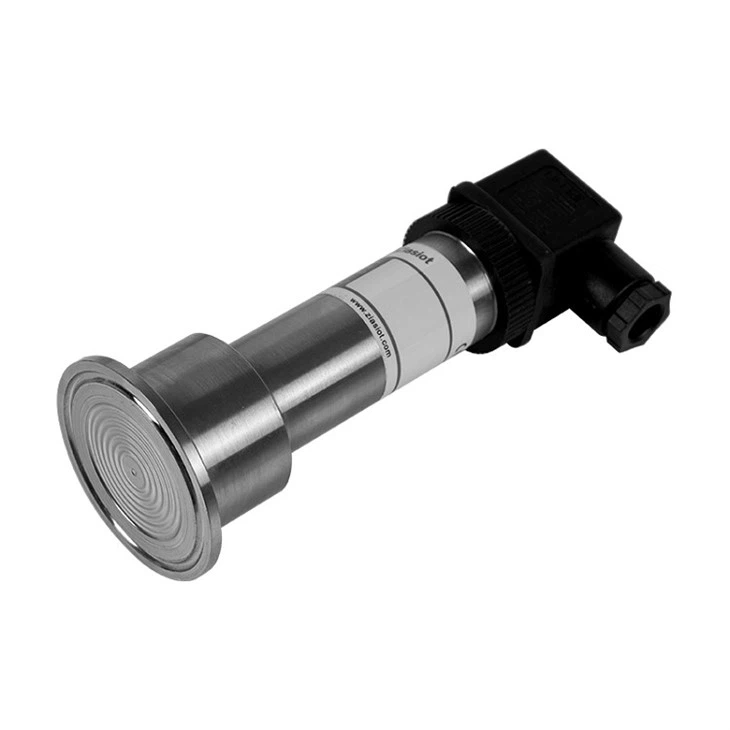
- Direct Mounted Sanitary Pressure Transmitter: Our direct mounted sanitary pressure transmitter is designed for use in the food, beverage, and pharmaceutical industries. It has a smooth and clean surface and can be easily cleaned and sterilized.
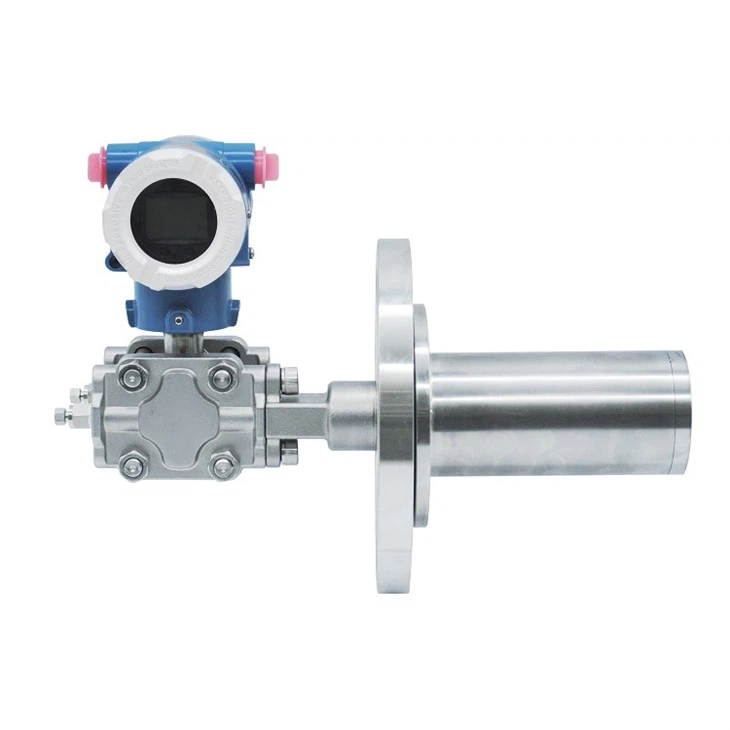
- Smart 3051 Absolute Pressure Transmitter: Our smart 3051 absolute pressure transmitter is designed for use in industrial applications. It provides accurate and reliable pressure measurements and can communicate with the control system using a variety of communication protocols.
- Direct Mounted Absolute Pressure Transmitter: Our direct mounted absolute pressure transmitter is designed for use in industrial applications. It has a compact design and can be easily installed in tight spaces.
Conclusion
In conclusion, understanding the power supply requirements for pressure transmitters is essential to ensuring their proper operation and performance. The power supply requirements for pressure transmitters can vary depending on the specific application, the type of power source, and the voltage range. As a pressure transmitter supplier, we offer a wide range of pressure transmitters to meet the needs of different applications. If you have any questions or need more information about our pressure transmitters, please feel free to contact us for a procurement discussion.
References
- ASME PTC 19.2 - Pressure Measurement.
- ISO 1000:2002 - SI units and recommendations for the use of their multiples and of certain other units.
- IEEE Std 1100-1999 - Recommended Practice for Powering and Grounding Electronic Equipment (Emerald Book).


