

As a flowmeter supplier, I often get asked about the operating temperature range of flowmeters. It's a crucial question because the temperature can significantly impact a flowmeter's performance, accuracy, and longevity. So, let's dive right into what the operating temperature range of a flowmeter is and why it matters.
First off, different types of flowmeters have different temperature tolerances. This is mainly due to the materials they're made of and the way they measure flow. For example, mechanical flowmeters, which rely on moving parts like turbines or paddles, can be quite sensitive to temperature. High temperatures can cause the materials to expand, leading to inaccurate measurements or even damage to the device. On the other hand, electronic flowmeters, such as ultrasonic or electromagnetic ones, are generally more resistant to temperature variations, but they still have their limits.
Let's start with ultrasonic flowmeters. These are pretty popular in a lot of industries because they're non-invasive and can measure a wide range of fluids. One of our best - selling ultrasonic flowmeters is the TUF - 2000H Flowmeter. It can typically operate within a temperature range of - 20°C to 80°C. This range is suitable for many common applications, like measuring water flow in building plumbing systems or in industrial cooling circuits. The reason for this range is that the ultrasonic transducers, which send and receive the ultrasonic signals, are made of materials that can maintain their performance within these temperature limits. If the temperature goes beyond this range, the speed of sound in the fluid can change in an unpredictable way, and the transducers might not work properly.

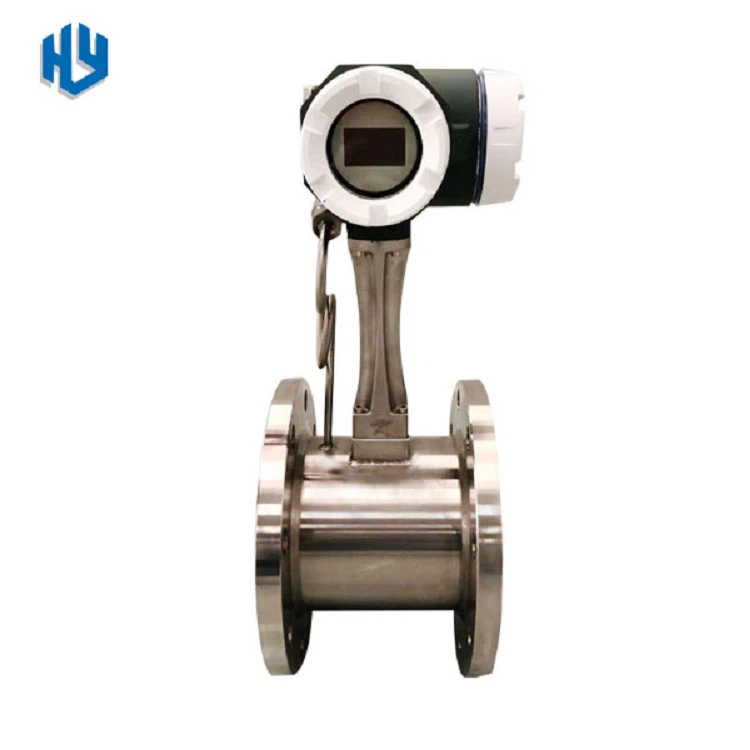
Vortex flowmeters are another type that we supply. They work based on the principle of the von Kármán vortex street. Our Steam Flowmeter, which is designed to measure steam flow, has a wider operating temperature range. It can handle temperatures from as low as - 40°C up to around 350°C. Steam applications often involve high - temperature environments, so these flowmeters need to be able to withstand such extreme conditions. The body of the vortex flowmeter is usually made of stainless steel or other high - temperature - resistant materials, which allows it to operate safely in these hot environments without deforming or losing accuracy.
Now, let's talk about thermal mass gas flowmeters. These are excellent for measuring the flow of gases, especially in applications where precision is key. Our Thermal Mass Gas Flowmeter For Biogas is designed to work in a temperature range of - 20°C to 150°C. Biogas production and distribution require accurate gas flow measurement, and the temperature range is set to ensure that the flowmeter can provide reliable readings under normal biogas plant operating conditions. The thermal sensors in these flowmeters are sensitive to temperature changes, and if the temperature goes outside the specified range, the heat transfer characteristics between the sensor and the gas can change, leading to measurement errors.
Why does the operating temperature range matter so much? Well, for starters, if you use a flowmeter outside its recommended temperature range, you'll get inaccurate measurements. This can have serious consequences in industrial processes. For example, in a chemical plant, inaccurate flow measurements can lead to incorrect mixing of chemicals, which can result in a failed batch or even a dangerous chemical reaction. In energy management systems, incorrect flow measurements can lead to inefficient energy usage, which means higher costs for the user.
Secondly, operating a flowmeter outside its temperature range can shorten its lifespan. High temperatures can cause the materials to degrade faster, and low temperatures can make the components brittle and more likely to break. This means you'll have to replace the flowmeter more often, which is an additional cost for your business.
So, how do you choose the right flowmeter based on the temperature? The first step is to know the temperature range of the environment where the flowmeter will be installed. This might involve consulting with the process engineers or doing some on - site temperature measurements. Once you have that information, you can compare it with the operating temperature ranges of different flowmeters. Don't forget to also consider other factors like the type of fluid or gas you're measuring, the required accuracy, and the budget.
If you're unsure about which flowmeter is right for your specific application, that's where we come in. We've got a team of experts who can help you make the right choice. We offer a wide range of flowmeters, each designed to meet different needs and operating conditions. Whether you're dealing with a high - temperature steam application, a low - temperature water system, or a gas flow measurement in a biogas plant, we've got a solution for you.
If you're interested in purchasing a flowmeter or just want to learn more, don't hesitate to reach out. We're here to help you find the perfect flowmeter for your needs and ensure that it operates smoothly within its recommended temperature range.
References:
- Flow Measurement Handbook: Industrial Designs and Applications by Richard W. Miller
- Technical manuals of the flowmeters supplied by our company.


