Hey there! As a supplier of DP transmitters, I often get asked about the measuring principle of a smart DP transmitter. So, I thought I'd take a moment to break it down for you in a way that's easy to understand.
First off, let's talk about what a DP transmitter is. A DP, or differential pressure, transmitter is a device that measures the difference in pressure between two points in a system. This measurement can be used for a variety of applications, such as flow measurement, level measurement, and density measurement.
Now, let's get into the measuring principle of a smart DP transmitter. At its core, a smart DP transmitter works by measuring the difference in pressure between two pressure ports. These ports are typically connected to different points in a system, such as the inlet and outlet of a pipe or the top and bottom of a tank.
The smart DP transmitter uses a sensing element to convert the pressure difference into an electrical signal. This sensing element can be a variety of types, such as a diaphragm, a strain gauge, or a capacitive sensor. The type of sensing element used depends on the specific application and the requirements of the system.
Once the pressure difference is converted into an electrical signal, the smart DP transmitter processes this signal using a microprocessor. The microprocessor performs a variety of functions, such as signal conditioning, calibration, and compensation. It also provides additional features, such as digital communication, diagnostic capabilities, and self-calibration.
One of the key advantages of a smart DP transmitter is its ability to provide accurate and reliable measurements. The microprocessor in the transmitter can compensate for a variety of factors that can affect the accuracy of the measurement, such as temperature, pressure, and humidity. It can also perform self-diagnostics to detect and report any faults or errors in the system.
Another advantage of a smart DP transmitter is its flexibility. The transmitter can be configured to meet the specific requirements of the application. For example, it can be set to measure different pressure ranges, different units of measurement, and different output signals. It can also be programmed to perform specific functions, such as flow calculation, level calculation, or density calculation.
Now, let's take a look at some of the specific applications of a smart DP transmitter. One of the most common applications is flow measurement. In a flow measurement application, the DP transmitter is used to measure the pressure difference across an orifice plate, a venturi tube, or a flow nozzle. This pressure difference is then used to calculate the flow rate of the fluid in the pipe.
Another common application is level measurement. In a level measurement application, the DP transmitter is used to measure the pressure difference between the top and bottom of a tank. This pressure difference is then used to calculate the level of the fluid in the tank.
Density measurement is another application where a smart DP transmitter can be used. In a density measurement application, the DP transmitter is used to measure the pressure difference between two points in a fluid column. This pressure difference is then used to calculate the density of the fluid.
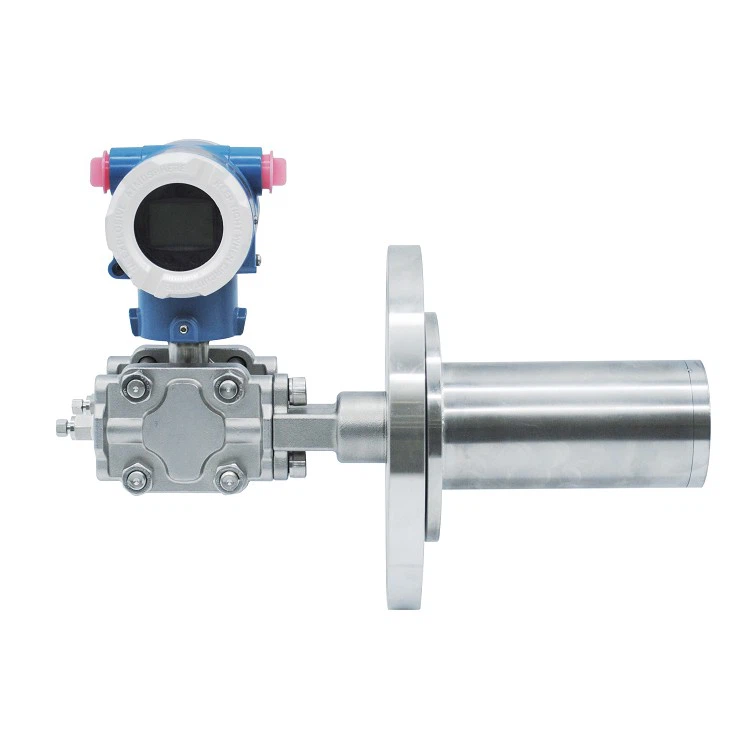
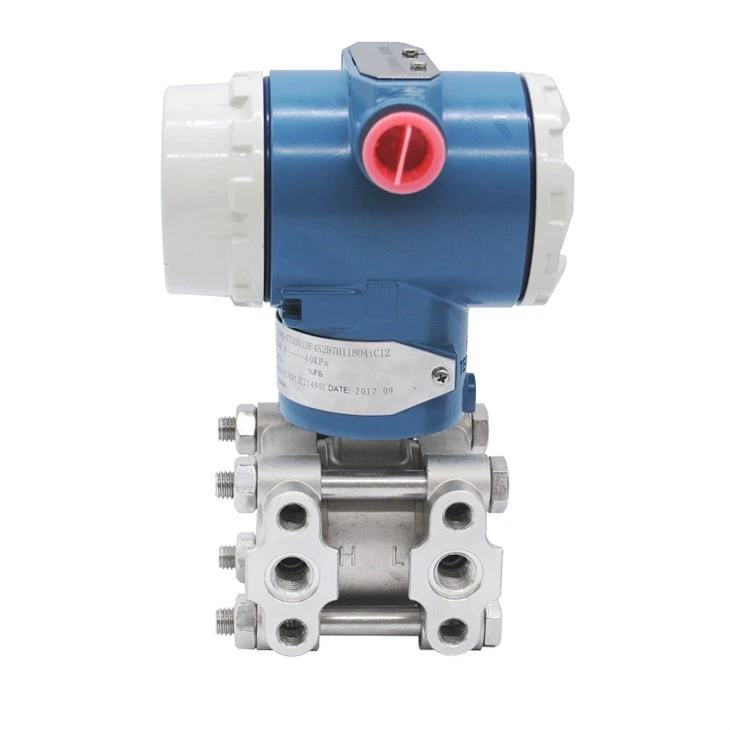
So, there you have it! That's the measuring principle of a smart DP transmitter in a nutshell. As a supplier of DP Transmitter, we offer a wide range of smart DP transmitters that are designed to meet the specific requirements of your application. Our 3051 Differential Pressure Transmitter is a popular choice for many applications, thanks to its high accuracy, reliability, and flexibility. We also offer a Smart Differential Pressure Transmitter that provides advanced features and capabilities, such as digital communication and self-calibration.
If you're interested in learning more about our DP transmitters or have any questions about the measuring principle of a smart DP transmitter, please don't hesitate to contact us. We'd be happy to help you find the right solution for your application.
References
- Instrumentation and Control Systems Handbook
- Pressure Measurement Technology by John Bentley