Hey there! As a supplier of Ultrasonic Level Meters, I've been getting a lot of questions lately about how to improve the measurement accuracy of these nifty devices. So, I thought I'd take a moment to share some insights and tips that can help you get the most precise readings from your Ultrasonic Level Meter.

Understanding the Basics of Ultrasonic Level Meters
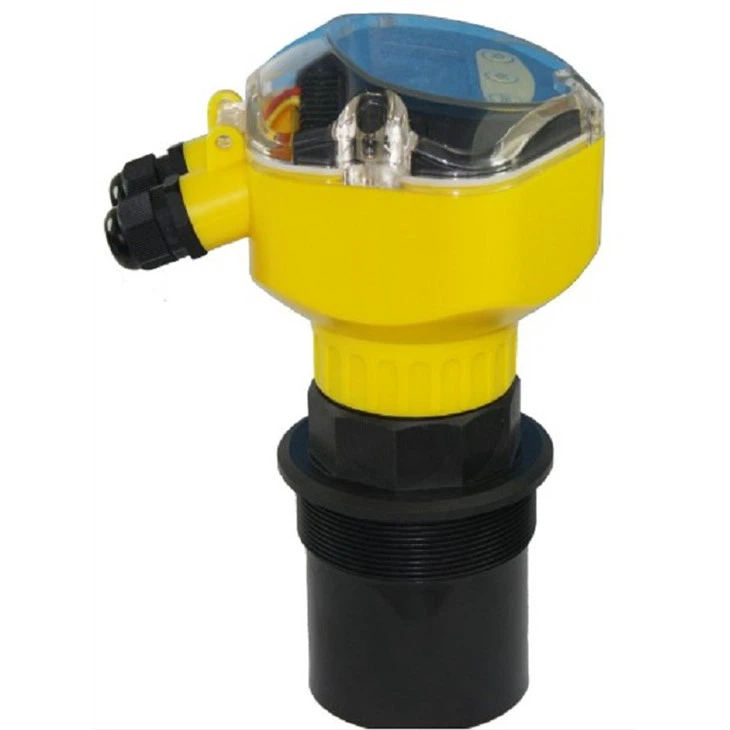
First off, let's quickly go over how ultrasonic level meters work. These devices use ultrasonic waves to measure the distance between the sensor and the surface of a liquid or solid material in a tank or container. The sensor emits an ultrasonic pulse, which travels through the air and bounces off the surface of the material. The time it takes for the pulse to return to the sensor is then used to calculate the distance, and ultimately, the level of the material.
Factors Affecting Measurement Accuracy
There are several factors that can affect the accuracy of an ultrasonic level meter. Understanding these factors is the first step in improving measurement accuracy.
1. Temperature
Temperature can have a significant impact on the speed of sound, which is used to calculate the distance in an ultrasonic level measurement. As the temperature changes, the speed of sound also changes, which can lead to inaccurate readings. To compensate for temperature variations, many modern ultrasonic level meters are equipped with temperature sensors that automatically adjust the measurement based on the ambient temperature.
2. Pressure
Similar to temperature, pressure can also affect the speed of sound. In high-pressure environments, the speed of sound may be different than in normal atmospheric conditions. Some ultrasonic level meters are designed to compensate for pressure changes, but it's important to make sure that the meter you're using is suitable for the specific pressure conditions in your application.
3. Vapor and Foam
Vapor and foam can interfere with the ultrasonic signal, causing it to scatter or absorb the sound waves. This can result in inaccurate readings or even complete signal loss. To minimize the effects of vapor and foam, it's important to install the ultrasonic level meter in a location where it's not directly exposed to these elements. You may also consider using a shield or a waveguide to protect the sensor from vapor and foam.
4. Tank Geometry and Obstructions
The shape and size of the tank, as well as any obstructions inside the tank, can also affect the accuracy of the ultrasonic level measurement. Irregular tank shapes or the presence of pipes, ladders, or other objects can cause the ultrasonic signal to bounce off these surfaces, leading to false readings. When installing the ultrasonic level meter, it's important to choose a location that provides a clear line of sight to the surface of the material and avoid areas with potential obstructions.
Methods for Improving Measurement Accuracy
Now that we've identified some of the factors that can affect measurement accuracy, let's take a look at some methods for improving the accuracy of your ultrasonic level meter.
1. Proper Installation
Proper installation is crucial for achieving accurate measurements with an ultrasonic level meter. Here are some key installation tips to keep in mind:
- Mounting Height: Make sure to mount the ultrasonic level meter at the correct height above the surface of the material. The recommended mounting height varies depending on the specific model of the meter and the application, so be sure to refer to the manufacturer's installation instructions.
- Alignment: Ensure that the ultrasonic sensor is properly aligned with the surface of the material. A misaligned sensor can cause the ultrasonic signal to bounce off at an angle, leading to inaccurate readings.
- Distance from Walls and Obstructions: Keep the ultrasonic level meter at a sufficient distance from the walls of the tank and any other obstructions to avoid signal interference.
2. Calibration
Calibration is an important step in ensuring the accuracy of your ultrasonic level meter. Most ultrasonic level meters come with a calibration procedure that allows you to adjust the meter to match the specific conditions of your application. Here's how you can calibrate your ultrasonic level meter:
- Zero Calibration: Zero calibration is used to set the meter to read zero when the tank is empty. To perform zero calibration, fill the tank with a known volume of liquid or material and adjust the meter until it reads zero.
- Span Calibration: Span calibration is used to set the meter to read the correct level when the tank is full. To perform span calibration, fill the tank to its maximum capacity and adjust the meter until it reads the correct level.
It's recommended to calibrate your ultrasonic level meter regularly, especially if there are any changes in the temperature, pressure, or other environmental conditions.
3. Signal Filtering
Signal filtering is a technique used to reduce noise and interference in the ultrasonic signal. Many ultrasonic level meters are equipped with built-in signal filtering algorithms that can help improve the accuracy of the measurement. These algorithms work by analyzing the received signal and removing any unwanted noise or interference.
4. Regular Maintenance
Regular maintenance is essential for keeping your ultrasonic level meter in good working condition and ensuring accurate measurements. Here are some maintenance tasks that you should perform regularly:
- Cleaning: Clean the ultrasonic sensor regularly to remove any dirt, dust, or debris that may accumulate on the surface. This can help prevent signal interference and ensure accurate readings.
- Inspection: Inspect the ultrasonic level meter for any signs of damage or wear. Check the cables, connectors, and other components for any loose connections or signs of corrosion.
- Testing: Periodically test the ultrasonic level meter to ensure that it's functioning properly. You can use a known volume of liquid or material to verify the accuracy of the measurement.
Conclusion
Improving the measurement accuracy of an ultrasonic level meter requires a combination of proper installation, calibration, signal filtering, and regular maintenance. By understanding the factors that can affect measurement accuracy and implementing the methods outlined in this blog post, you can ensure that your ultrasonic level meter provides accurate and reliable readings.
If you're in the market for a high-quality ultrasonic level meter or need help improving the accuracy of your existing meter, don't hesitate to reach out to us. We're here to provide you with the best solutions and support for your level measurement needs. Let's start a conversation and see how we can work together to meet your requirements.
References
- Manufacturer's installation and operation manuals for ultrasonic level meters
- Industry standards and guidelines for level measurement