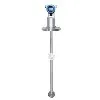
What is the Calibration Frequency of a Roots Flowmeter for Gas?
As a supplier of Roots Flowmeter for Gas, I often get asked about the calibration frequency of these essential instruments. Gas flow measurement is a critical aspect in various industries, including oil and gas, chemical processing, and environmental monitoring. Accurate measurement ensures process efficiency, product quality, and compliance with regulatory standards. In this blog, I will delve into the factors that influence the calibration frequency of a gas Roots flowmeter and provide some general guidelines.
Understanding the Roots Flowmeter for Gas
Before discussing calibration frequency, it's important to understand how a Gas Roots Flowmeter works. A Roots flowmeter is a positive displacement flowmeter that measures the volume of gas flowing through it. It consists of two rotors with lobes that mesh together and rotate as the gas passes through the meter. The rotation of the rotors is proportional to the volume of gas, and this rotation is then translated into a flow measurement.
The accuracy of a Roots flowmeter depends on several factors, including the mechanical integrity of the rotors, the quality of the seals, and the operating conditions. Over time, these factors can change, leading to a decrease in measurement accuracy. This is where calibration comes in.
Factors Influencing Calibration Frequency
-
Operating Conditions
- Temperature and Pressure: Gas flowmeters are sensitive to changes in temperature and pressure. If the operating temperature or pressure varies significantly from the conditions under which the flowmeter was calibrated, it can affect the measurement accuracy. For example, if the gas temperature increases, the gas density decreases, which can lead to an over - estimation of the gas volume. In environments with highly variable temperature and pressure, more frequent calibration may be required.
- Contaminants: The presence of contaminants in the gas stream can also affect the performance of the flowmeter. Particles or liquids in the gas can cause wear and tear on the rotors and seals, leading to inaccurate measurements. Industries where the gas contains a high level of contaminants, such as some chemical processing plants, may need to calibrate their flowmeters more often.
-
Usage Intensity
- Continuous vs. Intermittent Use: Flowmeters that are used continuously are subject to more mechanical stress than those used intermittently. Continuous operation can cause the rotors to wear out faster, and the seals to degrade more quickly. As a result, continuously operated flowmeters may require more frequent calibration. For example, a flowmeter used in a natural gas pipeline that operates 24/7 may need to be calibrated more often than a flowmeter used in a laboratory setting where the usage is intermittent.
-
Regulatory Requirements
- Industry Standards: Different industries have different regulatory requirements regarding flowmeter calibration. For example, in the oil and gas industry, regulatory bodies may require flowmeters to be calibrated at specific intervals to ensure accurate custody transfer of gas. Failure to comply with these regulations can result in significant fines and legal issues. Therefore, companies in regulated industries must adhere to the specified calibration frequencies.
-
Manufacturer's Recommendations
- Warranty and Performance: Flowmeter manufacturers usually provide guidelines on the recommended calibration frequency based on their product testing and experience. Following these recommendations is important not only for maintaining measurement accuracy but also for ensuring the warranty of the flowmeter. If a flowmeter is not calibrated according to the manufacturer's recommendations, it may void the warranty.
General Calibration Frequency Guidelines
Based on the above factors, here are some general guidelines for calibration frequency:


- Low - Risk Applications
- In applications where the operating conditions are stable, the gas is clean, and the usage is intermittent, a calibration frequency of once every 1 - 2 years may be sufficient. For example, in a small - scale laboratory where a Gas Flowmeter is used occasionally for research purposes, this calibration frequency can maintain acceptable measurement accuracy.
- Moderate - Risk Applications
- For applications with moderately variable operating conditions, such as some industrial heating systems where the gas temperature and pressure may fluctuate slightly, a calibration frequency of once every 6 - 12 months may be appropriate. These applications still have relatively stable conditions but require more frequent checks to ensure accurate measurement.
- High - Risk Applications
- In high - risk applications, such as custody transfer in the oil and gas industry or critical processes in chemical plants, calibration may be required as often as every 3 - 6 months. These applications demand the highest level of accuracy, and any measurement error can have significant financial or safety implications.
Importance of Regular Calibration
Regular calibration of a Gas Flowmeter offers several benefits:
- Accurate Billing: In industries where gas is sold or purchased based on volume, accurate flow measurement is crucial for fair billing. Calibrated flowmeters ensure that the amount of gas being transferred is measured correctly, preventing over - or under - charging.
- Process Control: In industrial processes, accurate gas flow measurement is essential for maintaining process efficiency and product quality. By calibrating the flowmeters regularly, companies can ensure that the right amount of gas is being used in the process, leading to consistent product quality and reduced waste.
- Compliance: As mentioned earlier, many industries are subject to regulatory requirements regarding flowmeter accuracy. Regular calibration helps companies comply with these regulations, avoiding potential fines and legal issues.
How to Determine the Right Calibration Frequency for Your Application
To determine the appropriate calibration frequency for your specific application, you can:
- Review Operating Conditions: Analyze the temperature, pressure, and contaminant levels in your gas stream. If these conditions are stable, you may be able to extend the calibration interval. If they are variable, more frequent calibration may be necessary.
- Consider Usage Patterns: Evaluate how often the flowmeter is used. Continuous use may require more frequent calibration compared to intermittent use.
- Consult the Manufacturer: Reach out to the flowmeter manufacturer for their specific recommendations. They have in - depth knowledge of their product and can provide valuable insights based on your application.
Conclusion
The calibration frequency of a Roots flowmeter for gas is not a one - size - fits - all answer. It depends on a variety of factors, including operating conditions, usage intensity, regulatory requirements, and manufacturer's recommendations. By understanding these factors and following the guidelines provided, you can ensure that your flowmeter maintains accurate measurement over time.
If you are in the market for a high - quality Roots Flowmeter for Gas or need advice on calibration frequency for your specific application, feel free to contact us. Our team of experts is ready to assist you in finding the best solution for your gas flow measurement needs.
References
- ISO 17025: General requirements for the competence of testing and calibration laboratories.
- AGA (American Gas Association) standards for gas flow measurement.
- Manufacturer's technical documentation for Roots flowmeters.