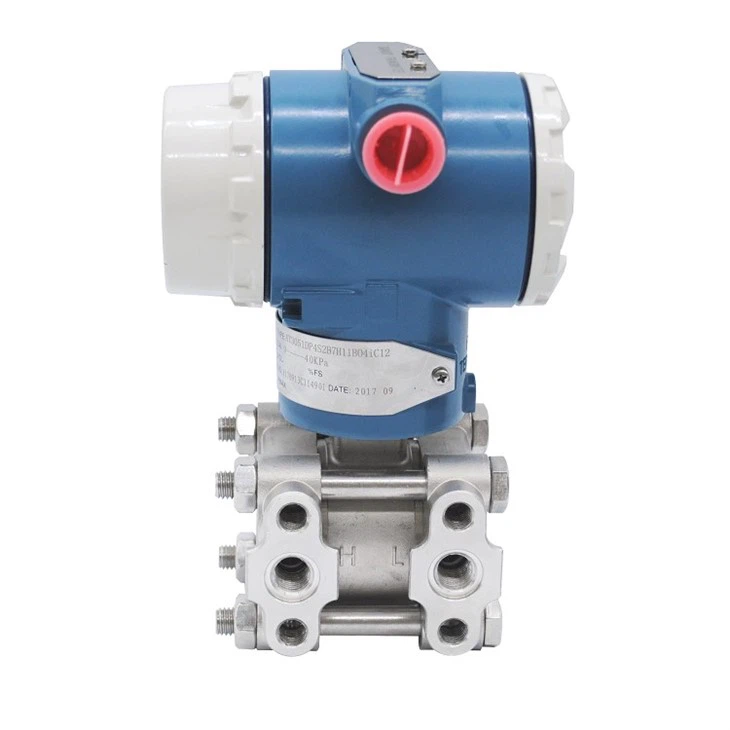
As a trusted supplier of DP transmitters, I often receive inquiries about the various mounting brackets available for these essential instruments. In this blog post, I'll explore the different types of mounting brackets for DP transmitters, their features, and applications to help you make an informed decision for your specific needs.
Wall Mounting Brackets
Wall mounting brackets are a popular choice for DP transmitters, offering a simple and secure way to install the device on a vertical surface. These brackets are typically made of sturdy materials such as stainless steel or aluminum, ensuring durability and resistance to corrosion. Wall mounting is ideal for applications where space is limited or where the transmitter needs to be installed at a specific height for easy access and monitoring.
One of the key advantages of wall mounting is its flexibility. You can position the DP transmitter at eye level or at a convenient height for maintenance and calibration. Additionally, wall mounting brackets often come with adjustable features, allowing you to angle the transmitter for optimal visibility. This is particularly useful in industrial settings where operators need to quickly read the transmitter's display.
For example, in a chemical processing plant, a DP Transmitter can be wall-mounted near a control panel for easy monitoring of pressure differentials in various pipelines. The adjustable bracket ensures that the operator can clearly see the readings without having to bend or strain.
Pipe Mounting Brackets
Pipe mounting brackets are designed to attach the DP transmitter directly to a pipe. This type of mounting is commonly used in process industries where the transmitter needs to be installed close to the source of the pressure measurement. Pipe mounting brackets come in different sizes and configurations to fit various pipe diameters and transmitter models.
The main advantage of pipe mounting is its ability to provide a direct and accurate measurement of the pressure differential in the pipe. Since the transmitter is installed directly on the pipe, it can capture the pressure changes more effectively compared to other mounting methods. Pipe mounting also reduces the need for additional piping or tubing, which can simplify the installation process and reduce costs.
In an oil refinery, a Smart Differential Pressure Transmitter 4 - 20mA can be pipe-mounted on a crude oil pipeline to monitor the pressure drop across a filter. The close proximity to the pipe ensures accurate and real-time pressure measurements, which are crucial for maintaining the efficiency of the filtration process.
Panel Mounting Brackets
Panel mounting brackets are used to install the DP transmitter on a control panel or a switchboard. This type of mounting is suitable for applications where the transmitter needs to be integrated into a larger control system. Panel mounting provides a clean and organized installation, making it easier to connect the transmitter to other instruments and control devices.
Panel mounting brackets are typically designed to be flush-mounted, which means the transmitter sits neatly within the panel. This not only enhances the aesthetic appeal but also protects the transmitter from dust, dirt, and other environmental factors. Panel-mounted DP transmitters are commonly used in building automation systems, HVAC systems, and industrial control panels.
For instance, in a commercial building's HVAC system, a High Temperature Diaphragm Sealed Differential Pressure Transmitter can be panel-mounted on the control panel to monitor the pressure differential across the air filters. The integrated installation allows for easy connection to the building's control system, enabling automatic adjustment of the ventilation system based on the pressure readings.
Rail Mounting Brackets
Rail mounting brackets are used to install the DP transmitter on a DIN rail. DIN rails are standardized metal rails commonly used in electrical enclosures and control cabinets. Rail mounting provides a modular and flexible installation solution, allowing you to easily add or remove the transmitter from the rail as needed.
Rail-mounted DP transmitters are often used in industrial automation applications, where multiple instruments need to be installed in a compact space. The modular design of rail mounting brackets makes it easy to organize and manage the instruments, reducing the installation time and complexity. Additionally, rail mounting allows for easy access to the transmitter for maintenance and replacement.
In a factory automation system, multiple DP transmitters can be rail-mounted in an electrical enclosure to monitor the pressure differentials in different sections of the production line. The rail-mounted installation provides a neat and organized layout, making it easier for technicians to troubleshoot and maintain the instruments.
Choosing the Right Mounting Bracket
When choosing a mounting bracket for your DP transmitter, several factors need to be considered. First, you need to determine the location and environment where the transmitter will be installed. If the installation is in a harsh industrial environment, you may need a bracket made of a more durable and corrosion-resistant material.
Second, you need to consider the size and weight of the DP transmitter. Make sure the mounting bracket is compatible with the transmitter's dimensions and can support its weight. Third, think about the accessibility and visibility requirements. You want to choose a mounting method that allows easy access for maintenance and calibration, as well as clear visibility of the transmitter's display.
Finally, consider the cost and installation complexity. Some mounting brackets may be more expensive or require more complex installation procedures than others. Choose a mounting solution that fits your budget and technical capabilities.
Conclusion
In conclusion, there are several types of mounting brackets available for DP transmitters, each with its own features and applications. Wall mounting brackets offer flexibility and easy access, pipe mounting brackets provide direct and accurate measurements, panel mounting brackets ensure a clean and organized installation, and rail mounting brackets offer a modular and flexible solution.
As a supplier of high-quality DP transmitters, we understand the importance of choosing the right mounting bracket for your specific needs. Our team of experts can help you select the most suitable mounting solution for your application, ensuring optimal performance and reliability of your DP transmitter.
If you're interested in learning more about our DP Transmitters or need assistance with choosing the right mounting bracket, please don't hesitate to contact us. We're here to help you make the best decision for your project.

References
- Pressure Transmitter Handbook, Industry Standard Publishing
- Industrial Instrumentation and Control Systems, Wiley Publishing