As a supplier of High Accuracy Flowmeters, I often get asked about the installation requirements for high accuracy steam flowmeters. In this blog post, I'll delve into the crucial aspects of installing these precision instruments to ensure accurate and reliable steam flow measurement.
1. Understanding the Importance of Proper Installation
High accuracy steam flowmeters are designed to provide precise measurements of steam flow, which is essential for various industrial processes. Incorrect installation can lead to inaccurate readings, reduced efficiency, and potential safety hazards. Therefore, it's vital to follow the recommended installation guidelines to achieve optimal performance.
2. Site Selection
The first step in installing a high accuracy steam flowmeter is choosing the right location. The site should meet the following criteria:
-
Straight Pipe Runs: Adequate straight pipe runs upstream and downstream of the flowmeter are crucial. Typically, a minimum of 10 - 20 pipe diameters of straight pipe upstream and 5 - 10 pipe diameters downstream are recommended. This allows the steam flow to become fully developed and laminar, reducing turbulence and improving measurement accuracy. For example, if you're using a 4 - inch pipe, you should have at least 40 - 80 inches of straight pipe upstream and 20 - 40 inches downstream.

-
Avoidance of Disturbances: The installation site should be free from any sources of flow disturbances, such as elbows, valves, pumps, or reducers. These components can cause eddies and swirls in the steam flow, leading to inaccurate measurements. If it's unavoidable to install the flowmeter near such disturbances, flow conditioners can be used to straighten the flow.
-
Accessibility: The flowmeter should be installed in a location that is easily accessible for maintenance and calibration. This includes providing enough space around the flowmeter for technicians to work safely and comfortably.
3. Pipe Preparation
Before installing the flowmeter, the pipe must be properly prepared to ensure a secure and leak - free connection.
- Cleaning: The inside of the pipe should be thoroughly cleaned to remove any debris, rust, or scale. These contaminants can damage the flowmeter and affect its performance. You can use a pipe brush or a high - pressure water jet to clean the pipe.
- Alignment: The pipe ends must be properly aligned to ensure a straight and even connection. Misaligned pipes can cause stress on the flowmeter and lead to leaks or inaccurate measurements. Use alignment tools to ensure the pipes are in the correct position.
- Flange Installation: If the flowmeter uses flanges for connection, the flanges must be installed correctly. The flange faces should be clean and flat, and the bolts should be tightened evenly to the recommended torque values. This helps to prevent leaks and ensures a proper seal.
4. Flowmeter Mounting
The high accuracy steam flowmeter should be mounted according to the manufacturer's instructions.
- Orientation: The flowmeter should be installed in the correct orientation. Most steam flowmeters are designed to be installed horizontally, but some can also be installed vertically. Make sure to follow the manufacturer's guidelines regarding the orientation to ensure accurate measurements.
- Support: Adequate support should be provided for the flowmeter to prevent vibration and movement. Vibration can cause errors in the measurement and damage the flowmeter over time. Use pipe supports or brackets to secure the flowmeter in place.
5. Electrical Installation
If the high accuracy steam flowmeter is an electronic device, proper electrical installation is essential.
- Wiring: The wiring should be installed according to the electrical diagrams provided by the manufacturer. Use appropriate cables and connectors to ensure a reliable electrical connection. The cables should be protected from mechanical damage, moisture, and electromagnetic interference.
- Grounding: The flowmeter must be properly grounded to prevent electrical noise and ensure the safety of the equipment and personnel. Connect the grounding wire to a suitable ground point, following the electrical safety standards.
6. Calibration and Commissioning
After the installation is complete, the flowmeter needs to be calibrated and commissioned.
- Calibration: Calibration is the process of adjusting the flowmeter to ensure accurate measurements. It should be performed by a qualified technician using a calibrated reference standard. The calibration process may involve adjusting the zero point, span, and linearity of the flowmeter.
- Commissioning: Commissioning involves testing the flowmeter under actual operating conditions to ensure its proper functioning. Check for any leaks, abnormal readings, or malfunctions during the commissioning process. Make any necessary adjustments to the flowmeter or the installation based on the test results.
7. Maintenance and Monitoring
Regular maintenance and monitoring are crucial for the long - term performance of high accuracy steam flowmeters.
- Maintenance: Follow the manufacturer's maintenance schedule to perform routine maintenance tasks, such as cleaning, inspection, and replacement of worn parts. This helps to ensure the accuracy and reliability of the flowmeter over time.
- Monitoring: Continuously monitor the flowmeter readings and performance to detect any potential issues early. Any significant changes in the readings or abnormal behavior should be investigated immediately.
8. Types of High Accuracy Steam Flowmeters
There are several types of high accuracy steam flowmeters available in the market, each with its own installation requirements.
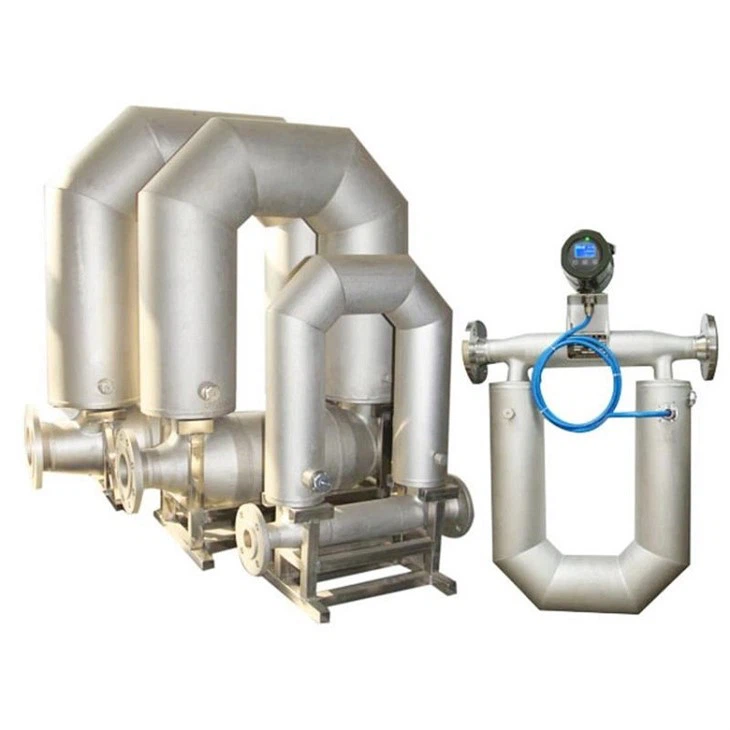
- Coriolis Mass Flowmeter for Drinking: This type of flowmeter measures the mass flow of steam directly, providing high accuracy and reliability. For more information about Coriolis Mass Flowmeters for Drinking, you can visit Coriolis Mass Flowmeter for Drinking.
- Mass Flowmeter: Mass flowmeters are also popular for steam flow measurement. They offer accurate measurement of the mass flow rate of steam, regardless of changes in temperature, pressure, or density. To learn more about Mass Flowmeters, click on Mass Flowmeter.
- High Accuracy Flowmeter: Our company specializes in providing High Accuracy Flowmeters that are designed to meet the demanding requirements of steam flow measurement. You can find more details about our High Accuracy Flowmeters at High Accuracy Flowmeter.
9. Conclusion
Proper installation of high accuracy steam flowmeters is essential for accurate and reliable steam flow measurement. By following the installation requirements, including site selection, pipe preparation, flowmeter mounting, electrical installation, calibration, and commissioning, you can ensure the optimal performance of the flowmeter. Regular maintenance and monitoring also play a crucial role in the long - term operation of the flowmeter.
If you're in the market for high accuracy steam flowmeters or need further assistance with installation and maintenance, please feel free to contact us for a detailed discussion. We're here to help you find the best solution for your steam flow measurement needs.
References
- Flow Measurement Handbook: Principles and Applications by Richard W. Miller
- Industrial Flow Measurement: Theory and Practice by Bhupendra K. Kanakia