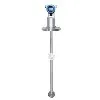
Hey there! As a supplier of concentration meters, I'm super stoked to chat with you about the awesome accessories available for these nifty devices. Concentration meters are used in a wide range of industries, from food and beverage to pharmaceuticals and chemical manufacturing. They help measure the concentration of various substances in liquids, which is crucial for quality control, process optimization, and safety.
Let's kick things off by talking about some of the most common accessories you might need for your concentration meter.
Probes and Sensors
The heart of any concentration meter is its probe or sensor. These are the parts that actually come into contact with the liquid being measured and convert the physical properties of the liquid into an electrical signal that the meter can interpret.
- Sanitary Type Probes: If you're working in the food, beverage, or pharmaceutical industries, you'll need a probe that meets strict hygiene standards. The Sanitary Type Concentration Transmitter is designed for just that. It's made from high-quality materials that are resistant to corrosion and easy to clean, ensuring that your measurements are accurate and your products are safe.
- Fork Type Probes: Fork type probes are great for measuring the concentration of liquids in pipes or tanks. The Fork Type Concentration Transmitter has a unique design that allows it to be inserted directly into the liquid flow, providing real-time measurements without the need for sampling. This makes it ideal for continuous monitoring applications.
Display Units
Once your probe has taken a measurement, you need a way to see the results. That's where display units come in.
- Digital Displays: Most modern concentration meters come with digital displays that show the measured concentration value in a clear and easy-to-read format. Some displays also have additional features like data logging, alarm functions, and the ability to connect to a computer or other devices for further analysis.
- Remote Displays: In some cases, you might want to be able to view the measurement results from a distance. Remote displays allow you to do just that. They can be connected to the concentration meter via a cable or wirelessly, giving you the flexibility to monitor your process from anywhere in the facility.
Calibration Kits
To ensure the accuracy of your concentration meter, it's important to calibrate it regularly. Calibration kits provide you with the tools and standards you need to do this.
- Standard Solutions: Calibration kits usually include a set of standard solutions with known concentrations. By measuring these solutions with your concentration meter and comparing the results to the known values, you can adjust the meter's settings to ensure accurate measurements.
- Calibration Tools: In addition to standard solutions, calibration kits may also include tools like pipettes, syringes, and beakers for preparing and handling the solutions.
Communication Accessories
In today's connected world, it's often necessary to be able to share the data from your concentration meter with other devices or systems. Communication accessories make this possible.


- Data Loggers: Data loggers are used to record the measurement data over time. They can store large amounts of data and can be connected to a computer or other device for further analysis. Some data loggers also have wireless connectivity, allowing you to access the data remotely.
- Communication Modules: Communication modules enable your concentration meter to communicate with other devices or systems using various protocols, such as Ethernet, Modbus, or Profibus. This allows you to integrate your concentration meter into your existing process control system and share the data with other equipment.
Sampling Accessories
In some cases, you might need to take a sample of the liquid being measured and bring it to the concentration meter for analysis. Sampling accessories make this process easier and more accurate.
- Sampling Bottles: Sampling bottles are used to collect and store the liquid samples. They come in various sizes and materials, depending on the type of liquid being sampled and the requirements of your application.
- Sampling Pumps: Sampling pumps are used to transfer the liquid samples from the source to the concentration meter. They can be manual or automatic, and they come in different flow rates and pressures to suit your needs.
Protective Accessories
To protect your concentration meter and its accessories from damage, it's a good idea to use some protective accessories.
- Enclosures: Enclosures are used to house the concentration meter and its components, protecting them from dust, moisture, and other environmental factors. They can be made from various materials, such as plastic, metal, or stainless steel, and they come in different sizes and shapes to fit your specific needs.
- Probe Guards: Probe guards are used to protect the probe from physical damage, such as impact or abrasion. They can be made from rubber, plastic, or other materials, and they come in different designs to fit different types of probes.
Drinking Concentration Meters
If you're in the business of producing drinking water or other beverages, you'll need a concentration meter that's specifically designed for this application. The Drinking Concentration Meter is a great option. It's accurate, reliable, and easy to use, making it ideal for ensuring the quality and safety of your products.
So, there you have it! These are just some of the accessories available for concentration meters. Depending on your specific application and requirements, you might need one or more of these accessories to get the most out of your concentration meter.
If you're interested in learning more about our concentration meters and accessories, or if you have any questions or need help choosing the right products for your application, don't hesitate to get in touch. We're here to help you find the best solutions for your needs and ensure the success of your business.
References
- "Handbook of Industrial Water Analysis", Second Edition, by R. B. Singh and S. P. Singh
- "Process Instrumentation and Control Handbook", Fourth Edition, by W. Boyes