

Troubleshooting a turbine flowmeter with no output signal can be a real headache, but don't worry! As a turbine flowmeter supplier, I've dealt with this issue countless times. In this blog, I'll walk you through the steps to diagnose and fix this problem.
Check the Power Supply
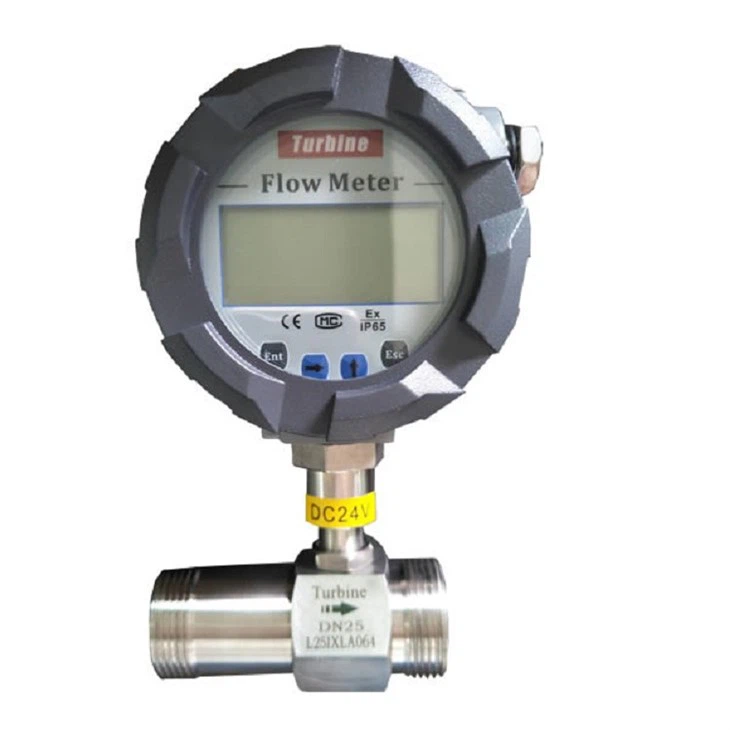
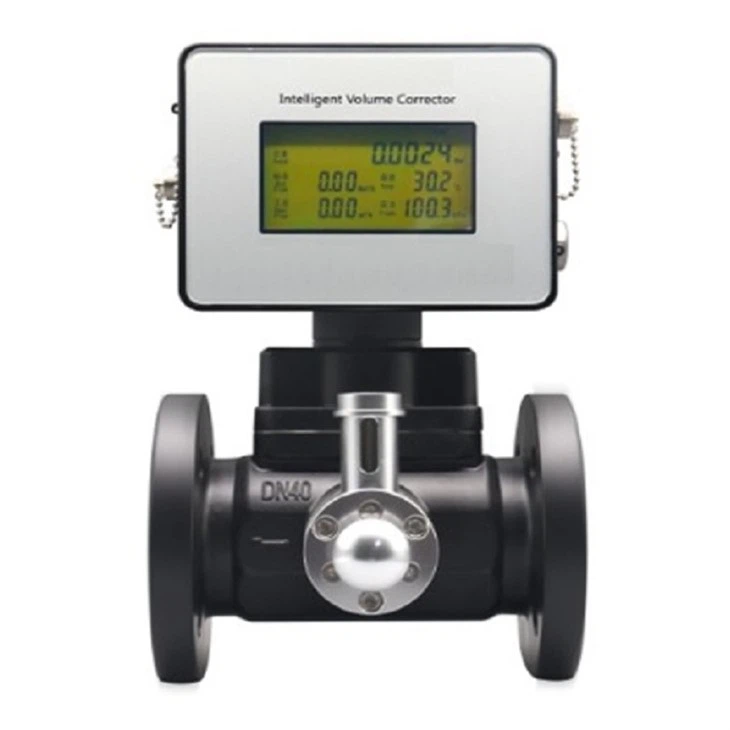
The first thing you need to do is to make sure the flowmeter is getting power. A lack of power is one of the most common reasons for no output signal.
- Verify the Power Source: Check if the power cable is properly connected to the flowmeter and the power outlet. Sometimes, the cable can get loose during normal operation or due to vibrations. If you're using a battery-powered flowmeter, check the battery level. Low battery can cause intermittent or no output signal.
- Measure the Voltage: Use a multimeter to measure the voltage at the power input terminals of the flowmeter. Compare the measured voltage with the rated voltage of the flowmeter. If the voltage is significantly lower or higher, there might be an issue with the power supply. For example, if the flowmeter is rated for 24V DC and you measure only 12V, it won't work properly.
Inspect the Sensor and Wiring
The sensor and wiring are crucial components of the turbine flowmeter. Any damage or loose connections can lead to no output signal.
- Check the Sensor: The turbine sensor is responsible for detecting the flow and generating a signal. Inspect the sensor for any physical damage, such as a broken turbine blade or a cracked housing. A damaged sensor won't be able to measure the flow accurately and might not produce an output signal.
- Examine the Wiring: Look for any loose, damaged, or corroded wires. Wires can get damaged over time due to wear and tear, or they might be accidentally pulled during maintenance. Make sure all the connections are tight and there are no exposed wires. If you find any damaged wires, replace them with the appropriate type of wire.
Look for Blockages or Obstructions
Blockages or obstructions in the flow path can prevent the turbine from rotating properly, resulting in no output signal.
- Check the Pipes: Inspect the pipes connected to the flowmeter for any blockages. Debris, dirt, or sediment can accumulate in the pipes and restrict the flow. You can use a pipe inspection camera to check the inside of the pipes. If you find any blockages, clean the pipes thoroughly.
- Examine the Flowmeter Body: The flowmeter itself might have some internal blockages. Remove the flowmeter from the pipeline and inspect the internal components. Make sure the turbine can rotate freely and there are no obstructions in the flow path.
Calibration and Configuration
Incorrect calibration or configuration can also cause the flowmeter to have no output signal.
- Check the Calibration: The flowmeter needs to be calibrated correctly to provide accurate measurements. If the calibration is off, it might not produce a valid output signal. Refer to the manufacturer's instructions to recalibrate the flowmeter. You might need to use a calibration device to adjust the settings.
- Verify the Configuration: Make sure the flowmeter is configured correctly for the specific application. Check the settings such as flow range, output signal type (e.g., analog or digital), and communication protocol. Incorrect configuration can lead to no output signal or inaccurate readings.
Software and Communication Issues
If your flowmeter has a digital output or is connected to a control system, there might be some software or communication issues.
- Check the Software: If the flowmeter is connected to a computer or a control system, make sure the software is installed correctly and is up to date. Outdated software can have bugs or compatibility issues that prevent the flowmeter from communicating properly.
- Verify the Communication Interface: Check the communication interface between the flowmeter and the control system. Make sure the cables are properly connected and the communication settings are correct. For example, if you're using a Modbus communication protocol, check the baud rate, parity, and stop bits.
Examples of Turbine Flowmeters
We offer a wide range of turbine flowmeters for different applications. Here are some examples:
- Milk Turbine Flowmeter: This flowmeter is specifically designed for measuring the flow of milk. It has a hygienic design and is made of food-grade materials to ensure the safety of the milk.
- Flange Connection Liquid Turbine Flowmeter: This flowmeter is suitable for measuring the flow of various liquids. It has a flange connection, which makes it easy to install and remove from the pipeline.
- Natural Gas Turbine Flowmeter: This flowmeter is designed for measuring the flow of natural gas. It has a high accuracy and can operate in a wide range of temperatures and pressures.
Conclusion
Troubleshooting a turbine flowmeter with no output signal requires a systematic approach. By checking the power supply, sensor and wiring, blockages, calibration, and software, you can usually identify and fix the problem. If you're still having trouble, don't hesitate to contact us. We have a team of experts who can provide you with technical support and help you solve the issue.
If you're interested in purchasing a turbine flowmeter or need more information about our products, feel free to reach out to us. We'll be happy to assist you with your procurement needs and answer any questions you might have.
References
- Turbine Flowmeter Installation and Operation Manual
- Flow Measurement Handbook


