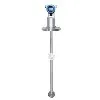
Hey there! As a supplier of Gas Roots Flowmeters, I'm super stoked to share with you how to install one in a high - pressure piping system. Whether you're a newbie in the field or a seasoned pro looking for a refresher, this guide will walk you through the whole process.
First off, let's talk a bit about what a Gas Roots Flowmeter is. It's a pretty nifty device used to measure the volume of gas flowing through a pipeline. You can learn more about it on our website by clicking on these links: Gas Flowmeter, Gas Roots Flowmeter, and Roots Flowmeter for Gas.
Pre - installation Checks
Before you even think about installing the flowmeter, there are some important pre - installation checks you gotta do.
Pipeline Inspection
The first thing you need to do is inspect the high - pressure piping system. Check for any signs of damage, like cracks or leaks. A damaged pipeline can not only mess up the installation but also pose a serious safety risk. Make sure the pipeline is clean and free from any debris. You don't want any dirt or junk getting into the flowmeter and causing it to malfunction.
Flowmeter Inspection
Next, take a good look at the Gas Roots Flowmeter itself. Check for any visible damage during transit. Look at the housing, the connections, and the internal components if possible. Make sure all the parts are in good condition and that the flowmeter is the right size and specification for your high - pressure system.

Measuring and Marking
Measure the length and diameter of the pipeline section where you plan to install the flowmeter. This will help you ensure that the flowmeter fits properly. Mark the installation location on the pipeline, making sure it's in a straight section of the pipe. Avoid areas near bends, valves, or other flow - disturbing elements. A straight section of pipe allows for a more stable and accurate gas flow, which is crucial for the flowmeter to work correctly.
Tools and Materials Preparation
You'll need a few tools and materials for the installation. Here's a quick list:
- Wrenches: You'll need different sizes of wrenches to tighten the connections. Make sure they fit the nuts and bolts on the flowmeter and the pipeline.
- Sealing materials: Gaskets or O - rings are essential to prevent gas leaks. Choose the right type of sealing material based on the gas type and the pressure of your system.
- Measuring tools: A tape measure and a level are handy for getting the installation right. You want to make sure the flowmeter is installed straight and at the correct position.
- Safety equipment: Safety should always come first. Wear safety glasses, gloves, and any other appropriate protective gear when working with high - pressure systems.
Installation Steps
Step 1: Shut Down the System
Before you start installing the flowmeter, shut down the high - pressure gas system. This is a crucial safety step. You don't want any gas flowing through the pipeline while you're working on it. Make sure to follow the proper shutdown procedures for your system.
Step 2: Cut the Pipeline
Using a suitable cutting tool, carefully cut the pipeline at the marked installation location. Make sure the cut is clean and straight. You can use a pipe cutter or a saw, depending on the type of pipeline material.
Step 3: Install the Flanges
Most Gas Roots Flowmeters come with flanges for easy installation. Install the flanges on the cut ends of the pipeline. Make sure to use the appropriate sealing materials between the flanges and the pipeline. Tighten the bolts evenly to ensure a good seal. You don't want any gas leaking out through the flange connections.
Step 4: Mount the Flowmeter
Carefully lift the Gas Roots Flowmeter and align it with the flanges on the pipeline. Make sure the flow direction on the flowmeter matches the actual gas flow direction in the pipeline. Once it's aligned, insert the bolts through the holes in the flanges and tighten them using the wrenches. Again, tighten the bolts evenly to avoid any misalignment or leaks.
Step 5: Connect the Electrical Wires
If your flowmeter has electrical components, like a display or a transmitter, connect the electrical wires according to the manufacturer's instructions. Make sure to use the correct wire gauge and to follow proper electrical safety procedures. This is important for the accurate operation of the flowmeter and to prevent any electrical hazards.
Step 6: Pressure Testing
After the installation is complete, it's time to do a pressure test. Slowly start the high - pressure gas system and check for any leaks at the flowmeter connections and the pipeline joints. Use a leak detection solution to make it easier to spot any leaks. If you find any leaks, tighten the connections or replace the sealing materials as needed.
Step 7: Calibration
Once the pressure test is successful, calibrate the Gas Roots Flowmeter. This ensures that the flowmeter provides accurate measurements. Follow the calibration procedures provided by the manufacturer. Calibration may involve adjusting some settings on the flowmeter or using a calibration device.

Post - installation Checks
After the installation and calibration, there are a few more checks you should do.
Visual Inspection
Take a final look at the installed flowmeter and the pipeline connections. Make sure everything looks good and there are no signs of damage or leaks. Check the electrical connections to make sure they are secure.

Monitoring
Monitor the flowmeter readings for a while to make sure it's working correctly. Compare the readings with the expected values based on your gas flow requirements. If you notice any abnormal readings, investigate the issue immediately.
Troubleshooting Tips
Even after a successful installation, you might run into some problems. Here are some common issues and how to fix them:
- Leakage: If you notice a gas leak, first shut down the system. Check the flange connections and the sealing materials. Tighten the bolts if they are loose or replace the gaskets or O - rings if they are damaged.
- Inaccurate Readings: This could be due to a calibration issue. Re - calibrate the flowmeter according to the manufacturer's instructions. It could also be caused by a flow - disturbing element in the pipeline. Check the pipeline for any bends, valves, or other elements that might be affecting the gas flow.
- Electrical Problems: If the electrical components of the flowmeter are not working, check the wiring connections. Make sure the power supply is correct and that there are no loose wires.
Well, that's pretty much it for installing a Gas Roots Flowmeter in a high - pressure piping system. I hope this guide has been helpful to you. If you're interested in purchasing a Gas Roots Flowmeter or have any questions about the installation process, feel free to reach out to us. We're always here to help you with your gas measurement needs.
References
- Flowmeter Installation Manuals
- Industry Standards for High - Pressure Piping Systems
- Technical Documents on Gas Roots Flowmeters