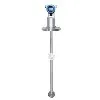
Hey there! As a supplier of concentration meters, I know how important it is to keep these devices clean. A well - maintained concentration meter not only ensures accurate measurements but also extends its lifespan. In this blog, I'll share some tips on how to clean a concentration meter.
First off, let's understand why cleaning is so crucial. Concentration meters are used to measure the concentration of substances in various solutions. If they're dirty, the sensors can give inaccurate readings. Contaminants can build up on the sensor surface, affecting its ability to interact properly with the sample. This can lead to wrong measurements, which in many industries like food and beverage, pharmaceutical, and chemical, can have serious consequences.
Preparation Before Cleaning
Before you start cleaning your concentration meter, you need to gather the right tools and materials. You'll typically need a soft cloth or sponge, mild detergent, distilled water, and in some cases, a specialized cleaning solution recommended by the manufacturer. It's also important to have a clean workspace where you can safely disassemble and clean the parts.
Make sure to turn off the concentration meter and disconnect it from any power source. This is a basic safety precaution to prevent any electrical accidents. If your meter has a removable sensor, carefully remove it following the manufacturer's instructions.
Cleaning the Exterior
The exterior of the concentration meter is the first thing you'll want to clean. Use a soft, damp cloth with a mild detergent. Wipe down the entire body of the meter, including the display screen, buttons, and any casings. Be gentle when cleaning the display to avoid scratching it.
If there are stubborn stains or dirt, you can use a slightly stronger cleaning solution, but make sure it's safe for the meter's materials. After wiping, use a dry cloth to remove any remaining moisture. This helps prevent water damage and corrosion.
Cleaning the Sensor
The sensor is the most critical part of the concentration meter, and it requires special attention. The cleaning process can vary depending on the type of sensor and the substances it's been exposed to.
For general cleaning, start by rinsing the sensor with distilled water. This helps remove any loose particles. Then, you can soak the sensor in a mild cleaning solution for a short period. But be careful not to leave it in the solution for too long, as it could damage the sensor.
After soaking, rinse the sensor thoroughly with distilled water again. Make sure all the cleaning solution is removed. You can then use a soft brush, like a toothbrush, to gently clean the sensor surface. This helps remove any remaining debris.
Types of Concentration Meters and Their Cleaning Specifics
Drinking Concentration Meter
The Drinking Concentration Meter is often used in the food and beverage industry. It needs to be kept extremely clean to ensure the safety and quality of the products. When cleaning this type of meter, you may need to use food - grade cleaning agents. These agents are safe for contact with substances that will be consumed.
After cleaning, it's a good idea to perform a calibration check. This ensures that the meter is still providing accurate readings. Since this meter is used for drinking products, any inaccuracies can directly affect the taste and quality of the final product.
Fork Type Concentration Meter
The Fork Type Concentration Meter has a unique design. The fork - shaped sensor can trap debris easily. When cleaning, pay special attention to the spaces between the forks. You can use a small brush or a pipe cleaner to reach these areas.
Also, make sure to dry the fork sensor completely after cleaning. Moisture in the small crevices can lead to corrosion over time.
Sanitary Type Concentration Transmitter
The Sanitary Type Concentration Transmitter is commonly used in industries where high levels of hygiene are required, such as the pharmaceutical industry. Cleaning this type of transmitter often involves more rigorous procedures.
You may need to use sterilizing agents in addition to regular cleaning solutions. Follow the manufacturer's guidelines carefully to ensure proper sterilization. After cleaning and sterilizing, the transmitter should be stored in a clean, dry environment until it's ready to be used again.
Drying and Reassembly
Once you've cleaned all the parts, it's time to dry them. Use a clean, dry cloth to remove as much moisture as possible. You can also let the parts air - dry in a clean environment. Make sure they are completely dry before reassembling the concentration meter.
When reassembling, follow the reverse order of disassembly. Make sure all the parts are properly connected and tightened. If the meter has any seals or gaskets, check them for damage or wear and replace them if necessary.
Regular Maintenance Schedule
To keep your concentration meter in top condition, it's important to establish a regular maintenance schedule. Depending on how often you use the meter, you may need to clean it weekly, monthly, or quarterly.
Regular cleaning not only keeps the meter accurate but also helps you identify any potential issues early. For example, if you notice that the sensor is wearing out faster than usual, you can order a replacement in advance.
Conclusion
Cleaning a concentration meter is a straightforward process if you follow the right steps. By keeping your meter clean, you'll ensure accurate measurements and a longer lifespan for your device. Whether you're using a Drinking Concentration Meter, Fork Type Concentration Meter, or Sanitary Type Concentration Transmitter, proper cleaning is essential.


If you're in the market for a new concentration meter or need more information on cleaning and maintenance, feel free to reach out. We're here to help you make the best choice for your business and keep your equipment running smoothly.
References
- Manufacturer's manuals for concentration meters
- Industry best practices for cleaning and maintaining measuring equipment