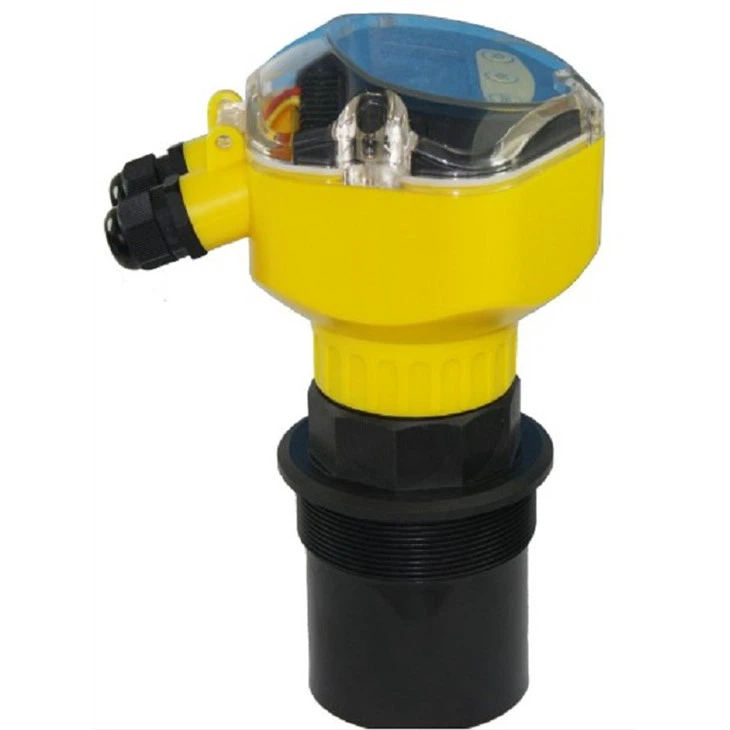
As a provider of Ultrasonic Level Meters, I often get asked about the calibration frequency of these devices. Calibration is a crucial process that ensures the accuracy and reliability of the measurements taken by an Ultrasonic Level Meter. In this blog post, I'll delve into the factors that influence how often an Ultrasonic Level Meter should be calibrated and offer some general guidelines.
Why Calibration Matters
Before discussing the calibration frequency, it's essential to understand why calibration is so important. An Ultrasonic Level Meter works by emitting ultrasonic waves and measuring the time it takes for these waves to bounce back from the surface of the liquid or solid being measured. Any deviation in the measurement can lead to inaccurate readings, which can have serious consequences in various industries.
In industrial settings, inaccurate level measurements can result in overfilling or underfilling of tanks, leading to product waste, safety hazards, and production delays. In environmental monitoring, incorrect readings can mislead in assessing water levels in rivers, lakes, or reservoirs, affecting flood prediction and water resource management. Therefore, regular calibration is necessary to maintain the integrity of the data collected by the Ultrasonic Level Meter.
Factors Affecting Calibration Frequency
Several factors determine how often an Ultrasonic Level Meter should be calibrated. Let's take a closer look at each of these factors:
1. Environmental Conditions
The environment in which the Ultrasonic Level Meter operates plays a significant role in determining the calibration frequency. Harsh environmental conditions, such as extreme temperatures, high humidity, dust, and chemical exposure, can cause the sensor to degrade over time, leading to inaccurate readings.
For example, in a chemical processing plant where the Ultrasonic Level Meter is exposed to corrosive chemicals, the sensor may need to be calibrated more frequently to account for any damage or degradation caused by the chemicals. Similarly, in a dusty environment, such as a mining site, the dust can accumulate on the sensor, affecting its performance and requiring more frequent calibration.
2. Application Requirements
The specific application of the Ultrasonic Level Meter also influences the calibration frequency. Applications that require high precision and accuracy, such as in the pharmaceutical or food and beverage industries, may need more frequent calibration to ensure compliance with strict quality control standards.
On the other hand, applications where a certain degree of measurement error is acceptable, such as in some industrial wastewater treatment plants, may not require as frequent calibration. It's important to understand the requirements of the application and set the calibration frequency accordingly.
3. Usage Frequency
How often the Ultrasonic Level Meter is used can also impact the calibration frequency. A meter that is used continuously or frequently may experience more wear and tear than one that is used less often. As a result, a frequently used Ultrasonic Level Meter may need to be calibrated more frequently to maintain its accuracy.
4. Manufacturer's Recommendations
The manufacturer of the Ultrasonic Level Meter usually provides recommendations on the calibration frequency. These recommendations are based on extensive testing and research and take into account the design and specifications of the device. It's important to follow the manufacturer's guidelines to ensure the proper functioning of the meter and to avoid voiding the warranty.
General Calibration Frequency Guidelines
While the calibration frequency can vary depending on the factors mentioned above, here are some general guidelines that can help you determine how often to calibrate your Ultrasonic Level Meter:
1. Newly Installed Meters
When a new Ultrasonic Level Meter is installed, it's recommended to perform an initial calibration to ensure that it is properly configured and providing accurate readings. This initial calibration can help identify any installation issues or sensor problems and ensure that the meter is ready for use.
2. Regular Calibration Intervals
For most applications, a general rule of thumb is to calibrate the Ultrasonic Level Meter at least once a year. However, this interval may need to be adjusted based on the environmental conditions, application requirements, and usage frequency.
In harsh environments or applications with high precision requirements, calibration may be required every six months or even more frequently. Conversely, in less demanding applications or environments, calibration every two years may be sufficient.
3. After Maintenance or Repairs
If the Ultrasonic Level Meter has undergone maintenance or repairs, it should be calibrated immediately to ensure that it is still providing accurate readings. Any changes to the sensor or the electronics of the meter can affect its performance, and calibration is necessary to account for these changes.
Calibration Process
Calibrating an Ultrasonic Level Meter typically involves comparing the readings of the meter with a known reference value. This can be done using a calibration tank or a reference level sensor. The calibration process may vary depending on the model and manufacturer of the meter, but it generally involves the following steps:
- Prepare the Meter: Ensure that the meter is clean and free of any debris or contaminants. Check the sensor for any damage or wear and replace it if necessary.
- Set Up the Calibration Equipment: Set up the calibration tank or reference level sensor according to the manufacturer's instructions. Make sure that the reference value is accurate and stable.
- Take Readings: Take readings from the Ultrasonic Level Meter and compare them with the reference value. Adjust the meter's settings if necessary to ensure that the readings match the reference value.
- Record the Results: Record the calibration results, including the date, time, reference value, and the readings taken from the meter. Keep these records for future reference and to demonstrate compliance with quality control standards.
Conclusion
In conclusion, the calibration frequency of an Ultrasonic Level Meter depends on several factors, including environmental conditions, application requirements, usage frequency, and manufacturer's recommendations. By understanding these factors and following the general guidelines outlined in this blog post, you can ensure that your Ultrasonic Level Meter is providing accurate and reliable readings.
At our company, we are committed to providing high-quality Ultrasonic Level Meters and excellent customer service. If you have any questions about calibration or need assistance with choosing the right Ultrasonic Level Meter for your application, please don't hesitate to contact us. We look forward to working with you to meet your level measurement needs.
References
- Instrumentation Handbook: Process Measurement and Analysis, Fourth Edition
- Industrial Measurement and Control Systems Handbook
To learn more about our Ultrasonic Level Meters, visit our website: Ultrasonic Level Meter. If you're interested in purchasing our products or discussing your specific requirements, feel free to reach out to us for a detailed consultation. We're here to assist you every step of the way.