

Can a Turbine Flowmeter be used for bidirectional flow measurement?
As a trusted supplier of turbine flowmeters, I often encounter inquiries about the capabilities of our products, especially regarding bidirectional flow measurement. Turbine flowmeters are well - known for their accuracy, reliability, and wide range of applications in measuring the flow of liquids and gases. But can they handle bidirectional flow? Let's explore this topic in detail.
How Turbine Flowmeters Work
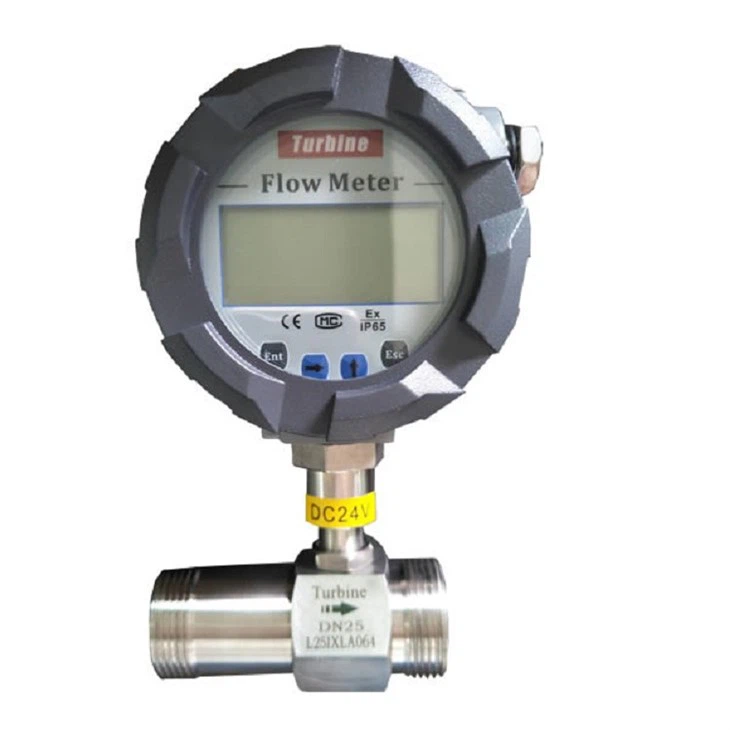
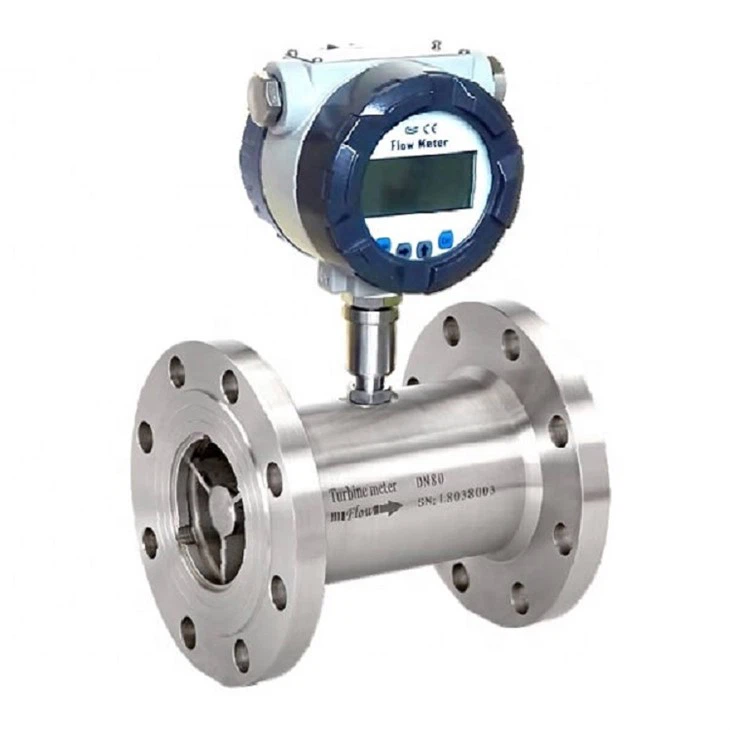
Before delving into bidirectional flow measurement, it's essential to understand the basic working principle of a turbine flowmeter. A turbine flowmeter consists of a rotor with blades placed in the path of the flowing fluid. As the fluid passes through the meter, it causes the rotor to spin. The rotational speed of the rotor is directly proportional to the flow rate of the fluid. Sensors detect the rotation of the rotor and convert it into an electrical signal, which can then be used to calculate the flow rate.
Unidirectional vs. Bidirectional Flow
In most industrial applications, flow is unidirectional, meaning the fluid moves in a single, consistent direction. Turbine flowmeters are highly effective in these scenarios, providing accurate and stable measurements. However, there are situations where bidirectional flow occurs. For example, in some chemical processing plants, pipelines may experience reverse flow during startup, shutdown, or in the event of a process upset. In hydraulic systems, bidirectional flow can be a normal part of the operation, such as in cylinders that extend and retract.
Challenges of Bidirectional Flow Measurement with Turbine Flowmeters
Traditional turbine flowmeters are designed primarily for unidirectional flow. There are several challenges associated with using them for bidirectional flow:
- Rotor Design: The rotor of a standard turbine flowmeter is optimized for a specific flow direction. When the flow reverses, the aerodynamics or hydrodynamics of the rotor change significantly. The blades may not generate the same rotational speed or pattern in the reverse direction, leading to inaccurate measurements.
- Sensor Response: The sensors in a turbine flowmeter are calibrated to detect the rotation of the rotor in a particular direction. When the flow reverses, the sensor may not be able to accurately interpret the new rotation pattern, resulting in incorrect flow rate readings.
- Mechanical Wear: Bidirectional flow can cause additional mechanical stress on the rotor and bearings. The repeated changes in flow direction can lead to increased wear and tear, reducing the lifespan of the flowmeter.
Solutions for Bidirectional Flow Measurement
Despite these challenges, it is possible to use turbine flowmeters for bidirectional flow measurement with some modifications:
- Symmetrical Rotor Design: Some turbine flowmeters are designed with a symmetrical rotor. A symmetrical rotor has the same aerodynamic or hydrodynamic properties in both flow directions. This allows the rotor to spin at a consistent rate regardless of the flow direction, enabling more accurate bidirectional flow measurement.
- Dual - Sensor Systems: Another approach is to use a dual - sensor system. One sensor is calibrated for forward flow, and the other is calibrated for reverse flow. The flowmeter can then automatically switch between the two sensors depending on the flow direction, ensuring accurate measurements in both directions.
Our Turbine Flowmeter Solutions for Bidirectional Flow
At our company, we offer a range of turbine flowmeters that are suitable for bidirectional flow measurement. For liquid applications, our Flange Connection Liquid Turbine Flowmeter can be customized with a symmetrical rotor and dual - sensor system. This ensures accurate and reliable measurement of bidirectional liquid flow in various industrial settings.
For applications where temperature and pressure compensation are required, our Temperature And Pressure Compensate Turbine Flowmeter can be configured for bidirectional flow. The advanced compensation algorithms in this flowmeter ensure accurate measurements even when the flow direction changes and the fluid properties vary.
In gas applications, our High Accuracy Gas Turbine Flowmeter can also be adapted for bidirectional flow. The high - precision sensors and robust rotor design make it suitable for measuring bidirectional gas flow in industries such as natural gas distribution and chemical processing.
Applications of Bidirectional Turbine Flowmeters
Bidirectional turbine flowmeters have a wide range of applications:
- Chemical Processing: In chemical plants, bidirectional flow can occur during the transfer of chemicals between different tanks or reactors. Our bidirectional turbine flowmeters can accurately measure the flow in both directions, ensuring proper chemical dosing and process control.
- Hydraulic Systems: In hydraulic machinery, such as excavators and cranes, bidirectional flow is common in the hydraulic cylinders. Our flowmeters can monitor the flow rate in both the extension and retraction strokes, helping to optimize the performance of the hydraulic system.
- HVAC Systems: In some HVAC systems, bidirectional flow can occur in the refrigerant lines. Our bidirectional turbine flowmeters can measure the flow of refrigerant in both directions, ensuring efficient operation of the cooling and heating systems.
Advantages of Using Turbine Flowmeters for Bidirectional Flow
Using turbine flowmeters for bidirectional flow offers several advantages:
- Accuracy: With the right design and calibration, turbine flowmeters can provide high - accuracy measurements in both flow directions. This is crucial for applications where precise flow control is required.
- Reliability: Turbine flowmeters are known for their reliability. They have a simple mechanical design with few moving parts, reducing the risk of failure. Our bidirectional turbine flowmeters are built to withstand the rigors of bidirectional flow, ensuring long - term operation.
- Cost - Effectiveness: Compared to some other types of flowmeters, turbine flowmeters are relatively cost - effective. They offer a good balance between performance and price, making them a popular choice for many industrial applications.
Conclusion
In conclusion, while traditional turbine flowmeters are designed for unidirectional flow, it is possible to use them for bidirectional flow measurement with appropriate modifications. Our company offers a range of turbine flowmeters that are specifically designed and customized for bidirectional flow applications. Whether you need to measure bidirectional liquid, gas, or require temperature and pressure compensation, we have the right solution for you.
If you are looking for a reliable and accurate bidirectional flow measurement solution, we encourage you to contact us for a detailed consultation. Our team of experts will work with you to understand your specific requirements and recommend the most suitable turbine flowmeter for your application. We are committed to providing high - quality products and excellent customer service to help you achieve your flow measurement goals.
References
- "Flow Measurement Handbook: Industrial Designs and Applications" by Richard W. Miller
- "Instrumentation and Control Systems" by Alan B. Plumb
- Technical literature from turbine flowmeter manufacturers


