In the realm of industrial instrumentation, the Differential Pressure (DP) transmitter stands as a cornerstone device, playing a pivotal role in a wide array of applications across diverse industries. As a leading DP Transmitter supplier, we understand the significance of every technical aspect of these instruments. One such crucial aspect is the response time of a DP transmitter. In this blog, we will delve deep into what response time means, its importance, factors affecting it, and how our products, such as the Smart Pressure Transmitter and 3051 Differential Pressure Transmitter, excel in this regard.
Understanding Response Time
Response time is a fundamental parameter that quantifies how quickly a DP transmitter can detect a change in differential pressure and provide an output signal that accurately reflects this change. It is typically measured as the time interval between the moment a step change in pressure occurs and the moment the transmitter's output reaches a specified percentage (usually 90% or 95%) of its final value.
In practical terms, a fast response time means that the transmitter can quickly adapt to changes in the process conditions. For example, in a chemical process where pressure fluctuations can occur rapidly, a DP transmitter with a short response time can promptly detect these changes and transmit the data to the control system. This enables operators to take immediate corrective actions, ensuring the safety and efficiency of the process.
Importance of Response Time
The importance of response time cannot be overstated, especially in industries where real - time monitoring and control are critical. Here are some key areas where a fast response time is essential:
Process Control
In industrial processes such as oil and gas refining, power generation, and chemical manufacturing, precise control of pressure differentials is crucial for maintaining product quality and process efficiency. A DP transmitter with a quick response time can provide timely feedback to the control system, allowing it to adjust the process parameters in real - time. This helps in preventing over - or under - pressurization, which can lead to equipment damage, product defects, or even safety hazards.
Safety
In safety - critical applications, such as in nuclear power plants or high - pressure pipelines, a fast response time is vital for detecting abnormal pressure changes. Any delay in detecting a pressure spike or drop could have catastrophic consequences. A reliable DP transmitter with a short response time can quickly alert the safety systems, enabling them to initiate emergency shutdown procedures if necessary.
Flow Measurement
Differential pressure transmitters are commonly used for flow measurement in pipelines. The response time of the transmitter affects the accuracy of the flow measurement, especially in applications where the flow rate changes rapidly. A fast - responding DP transmitter can accurately track these changes, providing more precise flow data and improving the overall efficiency of the flow control system.
Factors Affecting Response Time
Several factors can influence the response time of a DP transmitter. Understanding these factors is essential for selecting the right transmitter for a specific application.
Sensor Technology
The type of pressure sensor used in the DP transmitter has a significant impact on its response time. For example, capacitive sensors generally have a faster response time compared to strain - gauge sensors. Capacitive sensors can detect pressure changes more quickly due to their inherent design, which allows for rapid changes in capacitance in response to pressure variations.
Signal Processing
The signal processing algorithms and electronics inside the transmitter also play a crucial role in determining the response time. Advanced signal processing techniques can filter out noise and interference while quickly processing the pressure signal. A well - designed signal processing circuit can reduce the time it takes for the transmitter to convert the pressure signal into an output signal.
Mounting and Installation
The way the DP transmitter is mounted and installed can affect its response time. If the transmitter is installed with long impulse lines or in a location where there is a significant amount of dead volume, it can cause a delay in the pressure signal reaching the sensor. Proper installation, including minimizing the length of impulse lines and ensuring proper venting, can help improve the response time.
Process Conditions
The nature of the process itself can impact the response time. For example, in a viscous fluid application, the pressure changes may propagate more slowly, resulting in a longer response time for the DP transmitter. Similarly, extreme temperatures or harsh chemical environments can affect the performance of the sensor and the electronics, potentially increasing the response time.
Our DP Transmitters and Response Time
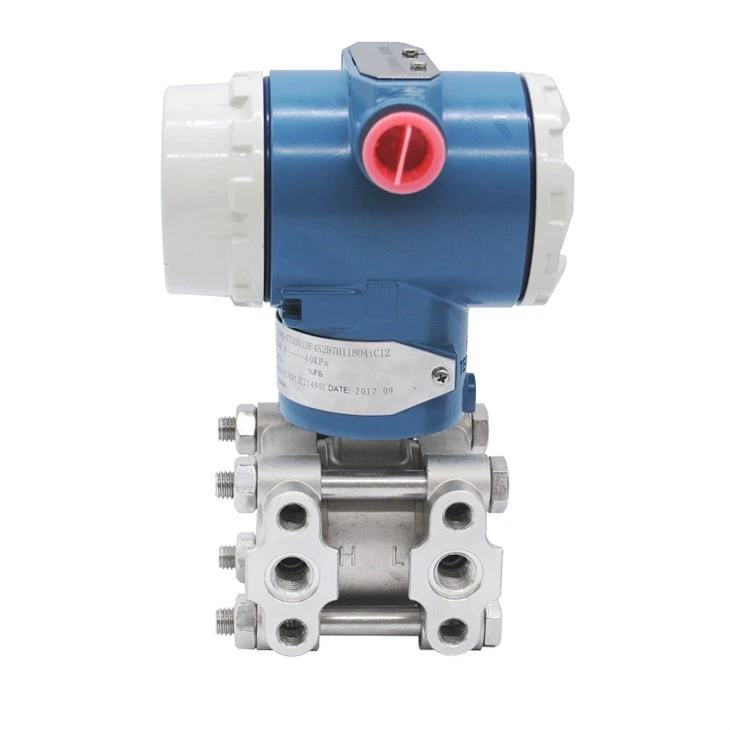
As a leading DP Transmitter supplier, we are committed to providing high - performance products with excellent response times. Our Smart Pressure Transmitter and 3051 Differential Pressure Transmitter are designed with state - of - the - art sensor technology and advanced signal processing algorithms to ensure fast and accurate response.
Our capacitive sensors offer superior performance in terms of response time, allowing for rapid detection of pressure changes. The advanced signal processing electronics in our transmitters are optimized to minimize the time between pressure detection and output signal generation. Additionally, we provide detailed installation guidelines to ensure that our transmitters are installed correctly, further enhancing their response time.

Case Studies
To illustrate the importance of response time in real - world applications, let's look at a couple of case studies.
Chemical Process
In a chemical plant, a DP transmitter was used to monitor the pressure differential across a reactor. The process involved rapid chemical reactions that could cause sudden pressure changes. The previous transmitter had a relatively long response time, which led to delays in detecting these changes. As a result, the process control system was unable to adjust the process parameters in a timely manner, leading to inconsistent product quality.
After replacing the old transmitter with our 3051 Differential Pressure Transmitter, the response time was significantly reduced. The new transmitter could quickly detect the pressure changes, providing real - time data to the control system. This allowed the operators to make immediate adjustments to the process, resulting in improved product quality and increased process efficiency.
Water Treatment Plant
In a water treatment plant, a DP transmitter was used to measure the flow rate of water in a pipeline. The flow rate in the pipeline could change rapidly depending on the demand. The old transmitter had a slow response time, which led to inaccurate flow measurements during periods of rapid flow changes.
By installing our Smart Pressure Transmitter, the response time was improved. The transmitter could accurately track the changes in the flow rate, providing more precise flow data. This enabled the plant operators to optimize the water treatment process, reducing energy consumption and improving the overall efficiency of the plant.
Conclusion
The response time of a DP transmitter is a critical parameter that can have a significant impact on the performance and safety of industrial processes. As a trusted DP Transmitter supplier, we understand the importance of providing transmitters with fast and reliable response times. Our Smart Pressure Transmitter and 3051 Differential Pressure Transmitter are designed to meet the demanding requirements of various industries, offering superior response times and accurate pressure measurements.
If you are looking for a high - performance DP transmitter for your application, we invite you to contact us for a detailed discussion. Our team of experts can help you select the right transmitter based on your specific needs and provide you with the best solutions for your industrial instrumentation requirements.
References
- "Industrial Instrumentation and Control Handbook", Third Edition, by Bela G. Liptak
- "Pressure Measurement and Transmitters" by Emerson Process Management
- Technical literature from leading DP transmitter manufacturers