

Hey there! As a supplier of DP Type Density Meters, I often get asked about the noise level of these nifty devices. So, let's dive right in and explore what the noise level of a DP Type Density Meter actually means and why it matters.
First off, what's a DP Type Density Meter? Well, it's a device that measures the density of a fluid using the differential pressure principle. In simple terms, it looks at the difference in pressure between two points in a fluid to figure out how dense that fluid is. These meters are super useful in a bunch of industries, like chemical processing, food and beverage, and oil and gas.
Now, let's talk about noise. When we're talking about the noise level of a DP Type Density Meter, we're referring to the random fluctuations in the measurement readings. This noise can come from a few different sources. One common source is the fluid itself. If the fluid has a lot of bubbles, turbulence, or impurities, it can cause the pressure readings to jump around, leading to noisy measurements.

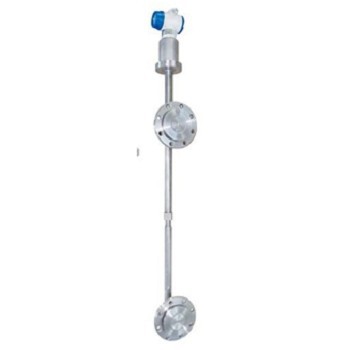
Another source of noise can be the meter's internal components. For example, the sensors that detect the pressure can have electrical noise due to factors like temperature variations or electromagnetic interference. Even the electronics that process the sensor signals can introduce some noise into the final measurement.
Why does the noise level matter? Well, a high noise level can make it difficult to get an accurate and stable measurement of the fluid density. If the readings are constantly bouncing around, it's hard to tell what the true density of the fluid is. This can be a big problem in industries where precise density measurements are crucial, like in the production of pharmaceuticals or high - quality chemicals.
Let's take a closer look at how the noise level affects different types of DP Type Density Meters.
Fork Type Density Meter
The Fork Type Density Meter is a popular type of DP Type Density Meter. It has a unique design with two prongs that are inserted into the fluid. The noise level in a fork - type density meter can be influenced by the flow characteristics of the fluid around the prongs. If the fluid flow is too turbulent, it can cause the prongs to vibrate, which in turn can increase the noise in the density measurement.
Manufacturers of fork - type density meters usually try to design the prongs in a way that minimizes the impact of fluid flow on the measurement. They might use special coatings or shapes to reduce the vibration and turbulence around the prongs. But even with these design features, it's still important to keep an eye on the noise level to ensure accurate measurements.
Slurry Density Meter
Slurry Density Meters are used to measure the density of slurries, which are mixtures of solids and liquids. Measuring the density of slurries can be particularly challenging because of the presence of solid particles. These particles can cause abrasion on the meter's sensors and also create additional turbulence in the fluid.
The noise level in a slurry density meter can be quite high due to the movement of the solid particles. The particles can collide with the sensors, causing sudden changes in the pressure readings. To deal with this, slurry density meters often have robust sensors that can withstand the abrasion and special signal processing algorithms to filter out the noise caused by the solid particles.
Online Density Transmitter
The Online Density Transmitter is another important type of DP Type Density Meter. It provides continuous density measurements in real - time, which is very useful for process control in industrial applications.
The noise level in an online density transmitter can have a significant impact on the quality of the process control. If the noise is too high, the control system might make incorrect adjustments based on the noisy density readings. This can lead to inefficiencies in the production process or even cause product quality issues.
To reduce the noise level in an online density transmitter, manufacturers use a variety of techniques. One common approach is to use low - noise sensors and high - quality electronics. They also implement signal filtering algorithms to smooth out the noisy signals and provide a more stable density measurement.
So, how can you tell if the noise level of a DP Type Density Meter is acceptable? Well, most manufacturers provide specifications for the noise level of their meters. These specifications usually include a maximum allowable noise value, which is typically expressed in terms of a percentage of the full - scale measurement range.
When you're choosing a DP Type Density Meter, it's important to consider the noise level along with other factors like accuracy, reliability, and cost. You want to make sure that the meter can provide accurate and stable density measurements in your specific application.
If you're in an industry where low noise levels are critical, you might want to look for meters that have been specifically designed to minimize noise. Some meters come with advanced features like noise cancellation technology or enhanced signal processing capabilities.
As a supplier of DP Type Density Meters, I understand the importance of providing meters with low noise levels. We work hard to ensure that our meters are designed and manufactured to meet the highest standards of quality and performance. Our team of experts is always available to help you choose the right meter for your application and to answer any questions you might have about the noise level or other aspects of the meter.
If you're interested in learning more about our DP Type Density Meters or if you're looking to make a purchase, don't hesitate to get in touch. We're here to assist you with all your density measurement needs. Whether you need a fork - type density meter, a slurry density meter, or an online density transmitter, we've got you covered.
In conclusion, the noise level of a DP Type Density Meter is an important factor that can significantly affect the accuracy and reliability of density measurements. By understanding the sources of noise and how it can be minimized, you can make an informed decision when choosing a density meter for your industrial application.
References
- "Principles of Density Measurement" - A technical guide on density measurement techniques.
- Industry standards and guidelines related to density measurement in different sectors such as chemical, food, and oil & gas.


