

What are the requirements for using a Coriolis flowmeter in high - pressure environments?
When it comes to measuring fluid flow in high - pressure environments, Coriolis flowmeters have emerged as a reliable and accurate solution. As a Coriolis flowmeter supplier, I understand the unique challenges and requirements associated with using these devices in such demanding conditions. In this blog post, I will delve into the key requirements for effectively utilizing a Coriolis flowmeter in high - pressure settings.
1. Material Selection
One of the primary considerations when using a Coriolis flowmeter in a high - pressure environment is the selection of appropriate materials. The flowmeter's components, such as the measuring tubes and housing, must be able to withstand the high pressures without deformation or failure.
For the measuring tubes, materials like stainless steel (e.g., 316L) are commonly used due to their excellent corrosion resistance and high strength. Stainless steel can handle high pressures while maintaining its structural integrity. In some cases, for even more demanding applications, exotic alloys such as Hastelloy or Inconel may be employed. These alloys offer superior resistance to corrosion and high - temperature environments, which are often associated with high - pressure systems.
The housing of the Coriolis flowmeter also needs to be made of robust materials. Cast iron or aluminum alloy can be used for general - purpose high - pressure applications. However, for extremely high - pressure situations, forged steel housings are a better choice as they provide greater strength and durability.
2. Pressure Rating
The pressure rating of the Coriolis flowmeter is a critical factor. It must be carefully matched to the maximum pressure of the system in which it will be installed. A flowmeter with an inadequate pressure rating can lead to leaks, damage to the device, and inaccurate measurements.
As a supplier, we offer a range of Coriolis flowmeters with different pressure ratings. Before recommending a specific model to a customer, we conduct a detailed analysis of the application's pressure requirements. This includes considering not only the normal operating pressure but also any potential pressure surges that may occur in the system. For example, in a chemical processing plant, sudden valve closures can cause significant pressure spikes. Our flowmeters are designed to handle such transient pressures to ensure reliable and long - term operation.
3. Sealing and Leakage Prevention
In high - pressure environments, preventing leakage is of utmost importance. A small leak can not only lead to product loss but also pose safety hazards. The Coriolis flowmeter must have effective sealing mechanisms to maintain the integrity of the system.
The seals used in the flowmeter should be made of materials that can withstand high pressures and are compatible with the fluid being measured. For example, in applications involving aggressive chemicals, fluorocarbon - based seals may be used due to their excellent chemical resistance. Additionally, the design of the flowmeter should minimize the number of potential leakage points. This can be achieved through the use of welded joints instead of threaded connections in critical areas.
4. Accuracy and Calibration
Accuracy is a key requirement for any flow measurement device, and this is especially true in high - pressure environments. The high pressures can affect the performance of the Coriolis flowmeter, potentially leading to measurement errors.
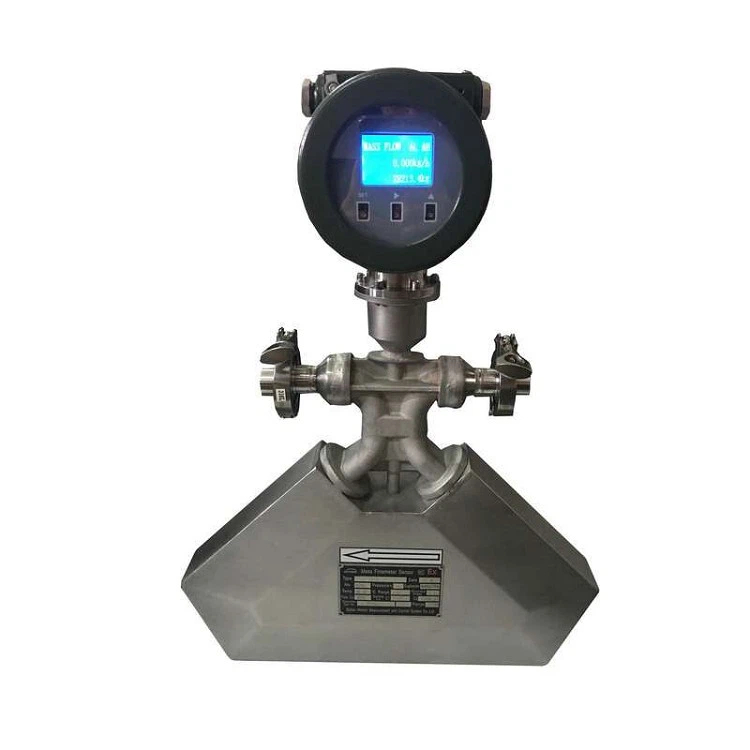
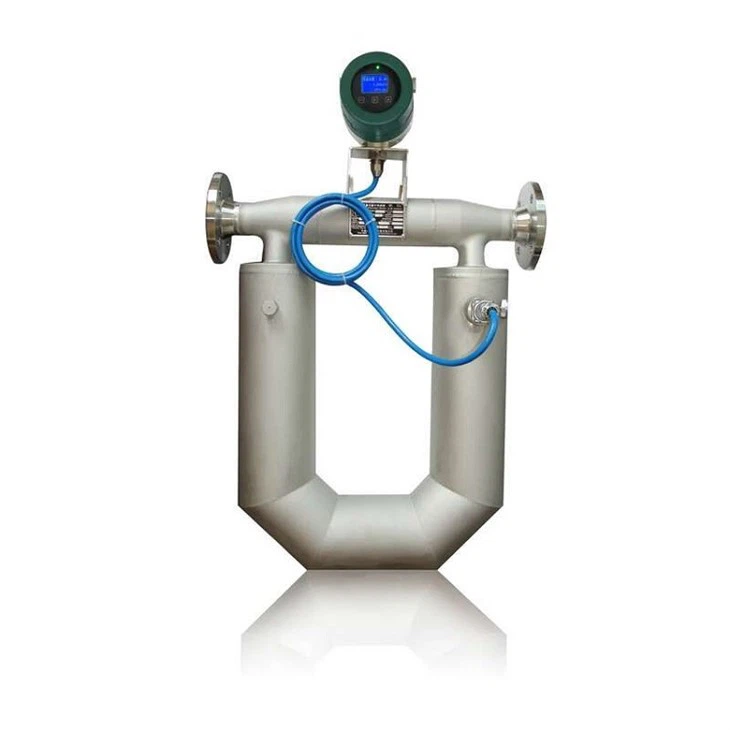
To ensure accurate measurements, our High Accuracy Flowmeter is designed with advanced technology. The measuring tubes are carefully engineered to minimize the effects of pressure on the flow measurement. Additionally, regular calibration is essential. We provide calibration services to our customers to ensure that the flowmeters maintain their accuracy over time. Calibration is typically performed using a reference standard with a known flow rate and pressure, and adjustments are made to the flowmeter's settings as needed.
5. Installation and Mounting
Proper installation and mounting of the Coriolis flowmeter are crucial for its performance in high - pressure environments. The flowmeter should be installed in a location where it is not subject to excessive vibration or mechanical stress.
The mounting brackets and supports must be able to withstand the high pressures and the weight of the flowmeter. In some cases, custom - designed mounting solutions may be required to ensure a secure and stable installation. Additionally, the flowmeter should be installed in a straight section of the pipeline to ensure a uniform flow profile. This helps to improve the accuracy of the flow measurement.
6. Compatibility with Fluids
The Coriolis flowmeter must be compatible with the fluids being measured in the high - pressure system. Different fluids have different properties, such as viscosity, density, and chemical composition, which can affect the performance of the flowmeter.
For example, in applications involving high - viscosity fluids, the flowmeter may need to be designed with larger measuring tubes to ensure smooth flow. In addition, the internal surfaces of the flowmeter should be resistant to corrosion and erosion caused by the fluid. Our Mass Flowmeter is designed to be compatible with a wide range of fluids, including liquids, gases, and slurries.
7. Safety Features
Safety is a top priority when using a Coriolis flowmeter in a high - pressure environment. The flowmeter should be equipped with safety features to protect against over - pressure situations.
This may include pressure relief valves or rupture discs that are designed to open when the pressure exceeds a certain limit. These safety devices help to prevent damage to the flowmeter and the surrounding equipment. Additionally, the flowmeter should have proper grounding to prevent electrical hazards, especially in environments where flammable or explosive fluids are present.
8. Maintenance and Serviceability
In high - pressure environments, regular maintenance is essential to ensure the long - term performance of the Coriolis flowmeter. The flowmeter should be designed to be easily accessible for maintenance and repair.
We provide comprehensive maintenance and service support to our customers. Our technicians are trained to perform routine inspections, cleanings, and repairs on the flowmeters. We also offer spare parts to ensure quick replacement in case of any component failure.
9. Monitoring and Diagnostic Capabilities
To ensure the reliable operation of the Coriolis flowmeter in high - pressure environments, it should have monitoring and diagnostic capabilities. These features allow operators to detect any potential problems early and take corrective actions.
The flowmeter can be equipped with sensors to monitor parameters such as pressure, temperature, and flow rate. The data collected by these sensors can be transmitted to a control system for analysis. Our flowmeters are also designed with built - in diagnostic functions that can detect issues such as tube blockages, sensor failures, or calibration drift.
In conclusion, using a Coriolis flowmeter in high - pressure environments requires careful consideration of several factors, including material selection, pressure rating, sealing, accuracy, installation, fluid compatibility, safety, maintenance, and monitoring. As a Coriolis flowmeter supplier, we are committed to providing high - quality products that meet these requirements. If you are in need of a Coriolis flowmeter for your high - pressure application, or if you have any questions about our products, please feel free to contact us for further discussion and potential procurement. We are ready to work with you to find the best solution for your specific needs.
References
- [Some relevant textbooks on flow measurement]
- [Industry standards related to high - pressure flow measurement]
- [Technical papers on Coriolis flowmeter applications in high - pressure environments]


