

Hey there! As a supplier of DP Type Density Meters, I often get asked about the environmental conditions required for these meters to operate normally. In this blog, I'll share some insights on this topic based on my experience in the industry.
Temperature
Temperature plays a crucial role in the normal operation of a DP Type Density Meter. Most of these meters are designed to work within a specific temperature range. Generally, the ideal temperature range for a DP Type Density Meter is between 0°C and 80°C.
Why is temperature so important? Well, changes in temperature can affect the density of the fluid being measured. When the temperature rises, the fluid expands, which decreases its density. Conversely, when the temperature drops, the fluid contracts, increasing its density. If the temperature is outside the specified range, it can lead to inaccurate density measurements.
For example, if you're using a DP Type Density Meter to measure the density of a liquid in a chemical process where the temperature fluctuates wildly, it's essential to ensure that the meter can handle those temperature variations. Some advanced DP Type Density Meters come with temperature compensation features. These features adjust the density readings based on the temperature of the fluid, ensuring more accurate results even when the temperature changes.

Pressure
Pressure is another key environmental factor. DP Type Density Meters are sensitive to pressure changes. The pressure in the system where the meter is installed should be within the rated pressure of the meter. Usually, the operating pressure range for a typical DP Type Density Meter is from 0 to 10 bar.
High pressure can cause mechanical stress on the components of the density meter. If the pressure exceeds the rated limit, it may damage the diaphragm or other internal parts of the meter, leading to malfunction or inaccurate readings. On the other hand, low pressure might not provide enough force for the meter to operate correctly.
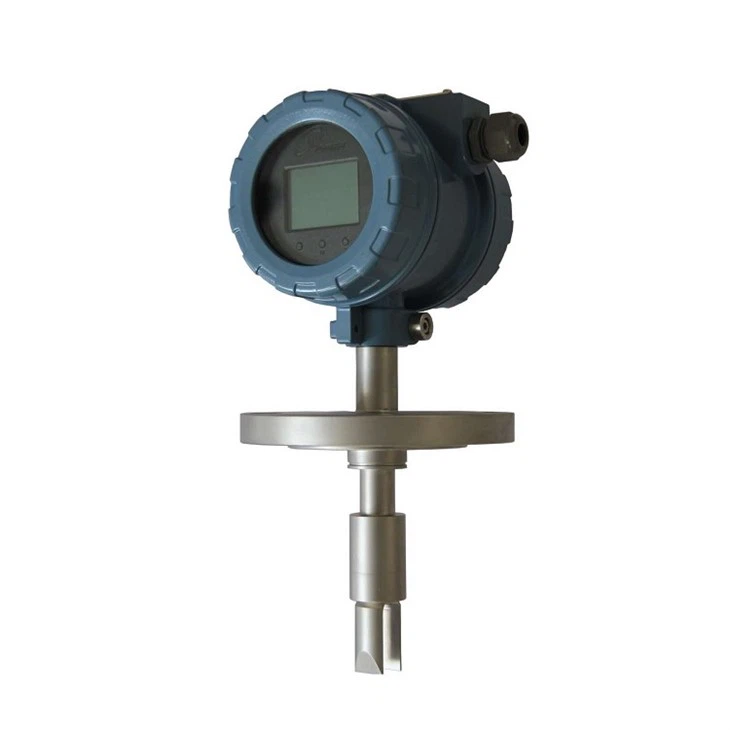
Let's say you're using a DP Type Density Meter in an oil pipeline. The pressure in the pipeline can be quite high, so you need to choose a meter that can withstand that pressure. Our DP Type Liquid Density Transmitter is designed to handle high - pressure applications, ensuring reliable density measurements even in challenging environments.
Vibration
Vibration can also have a significant impact on the performance of a DP Type Density Meter. Excessive vibration can cause the internal components of the meter to move or shift, which can affect the accuracy of the density readings. In industrial settings, there are often sources of vibration, such as pumps, motors, and machinery.
To minimize the effect of vibration, it's important to install the DP Type Density Meter in a stable location. You can use vibration - damping mounts or brackets to isolate the meter from the source of vibration. Additionally, some meters are designed with anti - vibration features. These features help to reduce the impact of vibration on the meter's operation.
For instance, if you're installing a DP Type Density Meter near a large pump, you should take measures to reduce the vibration transferred to the meter. Our Fork Type Density Meter is engineered to be more resistant to vibration, providing stable and accurate density measurements in environments with moderate vibration.
Humidity
Humidity in the environment can affect the electrical components of a DP Type Density Meter. High humidity can cause corrosion of the metal parts and short - circuits in the electrical circuits. Most DP Type Density Meters are designed to operate in a relative humidity range of 10% to 90% non - condensing.
If the humidity is too high, it's advisable to use a protective enclosure for the meter. The enclosure can prevent moisture from reaching the internal components of the meter. You can also install a dehumidifier in the area where the meter is located to maintain a suitable humidity level.
Chemical Compatibility
The fluid being measured must be chemically compatible with the materials of the DP Type Density Meter. Different meters are made of different materials, such as stainless steel, titanium, or plastic. If the fluid is corrosive or reactive with the meter's materials, it can cause damage to the meter.
For example, if you're measuring the density of a highly acidic solution, you need to choose a meter made of a material that is resistant to acid corrosion. Our Top Mounted Online Density Meter offers a variety of material options to ensure chemical compatibility with different types of fluids.
Installation Location
The installation location of the DP Type Density Meter is also crucial. It should be installed in a location where it can be easily accessed for maintenance and calibration. It should also be away from sources of interference, such as strong magnetic fields or electrical noise.
In a large industrial plant, you need to carefully plan the installation of the density meter. Make sure it is installed in a place where the fluid flow is stable and uniform. A turbulent flow can cause inaccurate density readings.
Calibration and Maintenance
Even under the right environmental conditions, regular calibration and maintenance are essential for the normal operation of a DP Type Density Meter. Calibration ensures that the meter is providing accurate density readings. It should be calibrated at regular intervals, depending on the application and the manufacturer's recommendations.
Maintenance includes checking the physical condition of the meter, cleaning the components, and replacing any worn - out parts. By performing regular calibration and maintenance, you can extend the lifespan of the meter and ensure its reliable operation.
Conclusion
In conclusion, the normal operation of a DP Type Density Meter depends on several environmental conditions, including temperature, pressure, vibration, humidity, chemical compatibility, and the installation location. As a supplier, we understand the importance of these factors and offer a range of DP Type Density Meters that can meet the requirements of different environments.
If you're looking for a reliable DP Type Density Meter for your application, don't hesitate to contact us for more information. We can help you choose the right meter based on your specific environmental conditions and requirements. Let's work together to ensure accurate and reliable density measurements in your processes.
References
- "Industrial Density Measurement Handbook", published by an industry - leading publisher.
- Technical specifications provided by the manufacturers of DP Type Density Meters.


