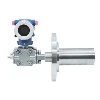
As a supplier of turbine flowmeters, I often get asked about how to check the performance of these nifty devices. Turbine flowmeters are widely used in various industries to measure the flow rate of liquids and gases. They're reliable, accurate, and can handle a wide range of flow conditions. But like any piece of equipment, they need regular checks to ensure they're performing at their best. In this blog post, I'll share some tips on how to check the performance of a turbine flowmeter.
Visual Inspection
The first step in checking the performance of a turbine flowmeter is to do a visual inspection. This might seem like a no - brainer, but it can reveal a lot. Start by looking at the overall condition of the flowmeter. Check for any signs of physical damage, such as cracks, dents, or corrosion. These issues can affect the accuracy of the flowmeter and even cause it to fail prematurely.
Inspect the connections as well. Make sure all the pipes and fittings are properly attached and there are no leaks. A leak can lead to inaccurate flow measurements and can also waste the fluid being measured. Also, check the electrical connections if it's an electronic turbine flowmeter. Loose or damaged electrical connections can cause erratic readings or complete failure of the flowmeter.
Calibration Check
Calibration is crucial for the accurate performance of a turbine flowmeter. Over time, the flowmeter may drift from its original calibration due to factors like wear and tear, changes in fluid properties, or environmental conditions. To check the calibration, you can use a reference flowmeter. A reference flowmeter is a highly accurate flowmeter that is used as a standard.
Compare the readings of the turbine flowmeter with the reference flowmeter under the same flow conditions. If there is a significant difference between the two readings, it may be time to recalibrate the turbine flowmeter. Some turbine flowmeters come with built - in calibration features that allow you to adjust the settings to correct any inaccuracies. However, for more precise calibration, it's often best to send the flowmeter to a professional calibration laboratory.


Rotor Inspection
The rotor is the heart of a turbine flowmeter. It rotates as the fluid passes through the flowmeter, and the rotation speed is proportional to the flow rate. Inspect the rotor for any signs of damage or wear. A damaged or worn - out rotor can cause inaccurate flow measurements.
Check if the rotor rotates freely. If it's stuck or has limited movement, it could be due to debris or foreign objects in the flowmeter. You may need to disassemble the flowmeter carefully to clean the rotor and remove any obstructions. Make sure to follow the manufacturer's instructions when disassembling and reassembling the flowmeter to avoid causing further damage.
Signal Output Check
For electronic turbine flowmeters, checking the signal output is an important part of the performance check. Use a multimeter or a data acquisition system to measure the electrical signal output of the flowmeter. The signal output should be stable and proportional to the flow rate.
If the signal is noisy or inconsistent, it could indicate a problem with the sensor or the electronics of the flowmeter. Check the wiring for any loose connections or damaged wires. Also, make sure the power supply to the flowmeter is stable. Fluctuations in the power supply can affect the signal output and lead to inaccurate readings.
Flow Range Check
Turbine flowmeters are designed to operate within a specific flow range. Check if the flowmeter is being used within its recommended flow range. Using the flowmeter outside of its specified range can lead to inaccurate measurements and can also damage the flowmeter.
You can calculate the flow rate using other methods, such as measuring the volume of fluid passing through the flowmeter over a certain period of time, and compare it with the reading of the turbine flowmeter. If the flow rate is consistently outside of the recommended range, you may need to consider using a different flowmeter that is more suitable for the actual flow conditions.
Fluid Compatibility Check
The performance of a turbine flowmeter can also be affected by the compatibility of the fluid being measured with the materials of the flowmeter. Some fluids can cause corrosion or erosion of the flowmeter components, which can lead to inaccurate measurements and premature failure.
Check the manufacturer's specifications to ensure that the fluid is compatible with the materials of the turbine flowmeter. If you're using a new fluid or changing the fluid being measured, it's important to consult with the manufacturer to make sure the flowmeter can handle it.
Temperature and Pressure Check
Temperature and pressure can have a significant impact on the performance of a turbine flowmeter. High temperatures can cause the materials of the flowmeter to expand, which can affect the rotor's movement and the accuracy of the flow measurements. Similarly, high pressures can put stress on the flowmeter components and cause leaks or damage.
Monitor the temperature and pressure of the fluid being measured. Make sure they are within the allowable limits specified by the manufacturer. If the temperature or pressure is outside of the recommended range, you may need to take appropriate measures, such as installing a temperature or pressure regulator, to protect the flowmeter.
Our Turbine Flowmeter Offerings
At our company, we offer a wide range of turbine flowmeters to meet different industrial needs. For applications where hygiene is a top priority, we have the Sanitary Turbine Flowmeter. It's designed to be easy to clean and is suitable for use in the food and beverage, pharmaceutical, and cosmetic industries.
If you need a flowmeter with a convenient connection method, our Tri - clamp Turbine Flowmeter is a great choice. The tri - clamp connection allows for quick and easy installation and removal, making it ideal for applications where frequent cleaning or maintenance is required.
For the dairy industry, we have the Milk Turbine Flowmeter. It's specifically designed to measure the flow rate of milk accurately and is made from materials that are compatible with milk, ensuring reliable performance and long - term durability.
Contact Us for Purchase and Consultation
If you're in the market for a high - quality turbine flowmeter or need help with the performance check or calibration of your existing flowmeter, we're here to assist you. Our team of experts has extensive knowledge and experience in the field of flow measurement and can provide you with the best solutions for your specific requirements. Don't hesitate to reach out to us for more information and to start the purchasing process.
References
- "Flow Measurement Handbook: Industrial Designs and Applications" by Richard W. Miller
- Manufacturer's manuals of various turbine flowmeters